The Role of Automatic Soap Dispensers in Sustainable Buildings
Automatic soap dispensers in sustainable buildings support hygiene, resource efficiency, and facility operations by delivering controlled soap doses that can reduce unnecessary product waste while minimizing touchpoints. For architects, facility managers, and sustainability-focused project teams, these systems can contribute to more efficient restroom operation when properly specified, installed, and maintained. For additional guidance, review the CDC hand-hygiene guidance and the EPA WaterSense best management practices .

Automatic Soap Dispensers in Sustainable Buildings
Automatic dispensing helps create a more controlled commercial handwashing environment while reducing unnecessary touchpoints. Properly selected systems can support cleaner operation and more predictable soap consumption.
- Reduced soap consumption
- Lower maintenance demands
- Improved hygiene
- Efficient facility management

Controlled Dispensing and Resource Efficiency
Consistent automatic dosing can help limit excessive soap use across high-traffic commercial washrooms. This supports both resource planning and more predictable refill intervals.
For facility teams, controlled dispensing can also simplify inventory forecasting and routine servicing.
Coordinated Touchless Handwashing Systems
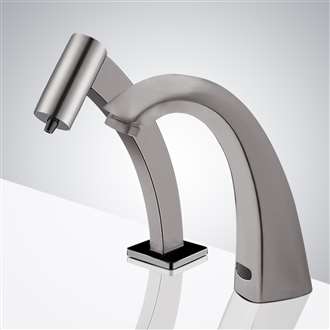
Combining automatic soap dispensing with touchless water delivery creates a more complete hands-free handwashing sequence for commercial restrooms.
Coordinated systems should be reviewed for sensor positioning, power requirements, basin compatibility, refill access, and long-term maintenance.
Sustainable Restroom Planning
Manufacturers such as BathSelect, FontanaShowers, and Kohler provide automatic dispensing systems for commercial building applications.
For more information about automatic dispenser advantages, see automatic soap dispenser strengths and weaknesses .