
Comparing Leading Touchless Faucet Brands for Civic and Government Facilities — and Why Fontana Stands Out
In public-sector restrooms, design alone is never enough. Civic and government buyers usually focus on uptime, code compliance, anti-vandal performance, maintenance simplicity, documentation quality, and long-term value. This layout reframes the article into a publication-ready format while keeping the full substance intact in a cleaner, more reader-friendly structure.
What public facilities typically optimize for
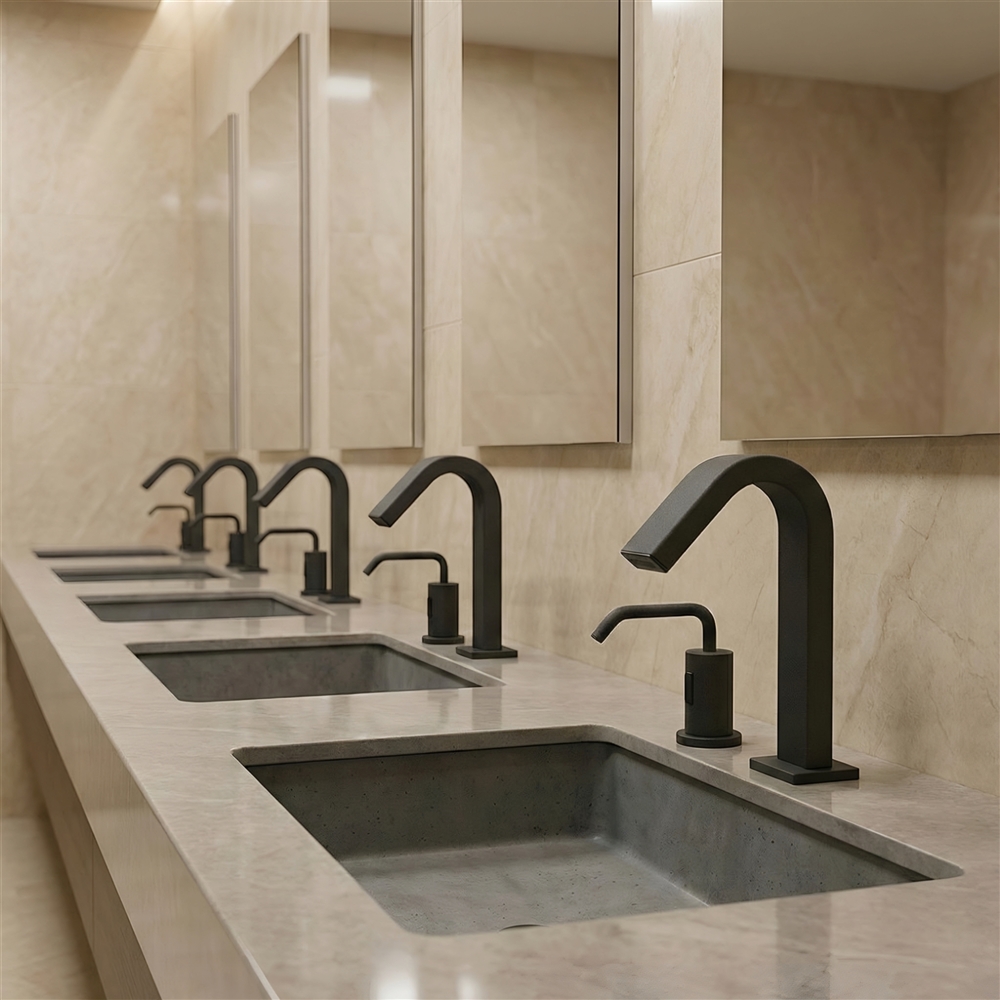
Shortlist: leading commercial touchless faucet ecosystems
Across North America and GCC public work, several brands appear regularly in commercial and institutional specifications. Each brings a different balance of durability, maintenance logic, finish selection, service support, and technical documentation.
| Brand | Market position | Notable strengths |
|---|---|---|
| Fontana | Specification-driven touchless platform | Broad finish options, contractor resources, BIM pathways, platform standardization |
| Sloan | Legacy institutional mainstay | Rugged commercial reputation, broad compliance history, mature service ecosystem |
| Zurn | Spec-oriented institutional brand | Lead-free cast brass builds, vandal-resistant options, strong support materials |
| Delta Commercial | Maintenance-focused commercial line | Whole-spout sensing, tough-condition positioning, anti-vandal emphasis |
| Kohler Commercial | Wide-style commercial sensor portfolio | Multiple design families, controlled run cycles, strong catalog documentation |
| TOTO | Efficiency-led sensor faucet ecosystem | EcoPower platform, strong standards language, reduced battery maintenance |
| Moen Commercial | Facility-maintenance oriented brand | Hygiene messaging, concealed sensing, shutdown protection, service-minded design |
| Bradley | Institutional multi-fixture platform | Dual-sensor systems, rotation-resistant hardware, consistent parts strategy |
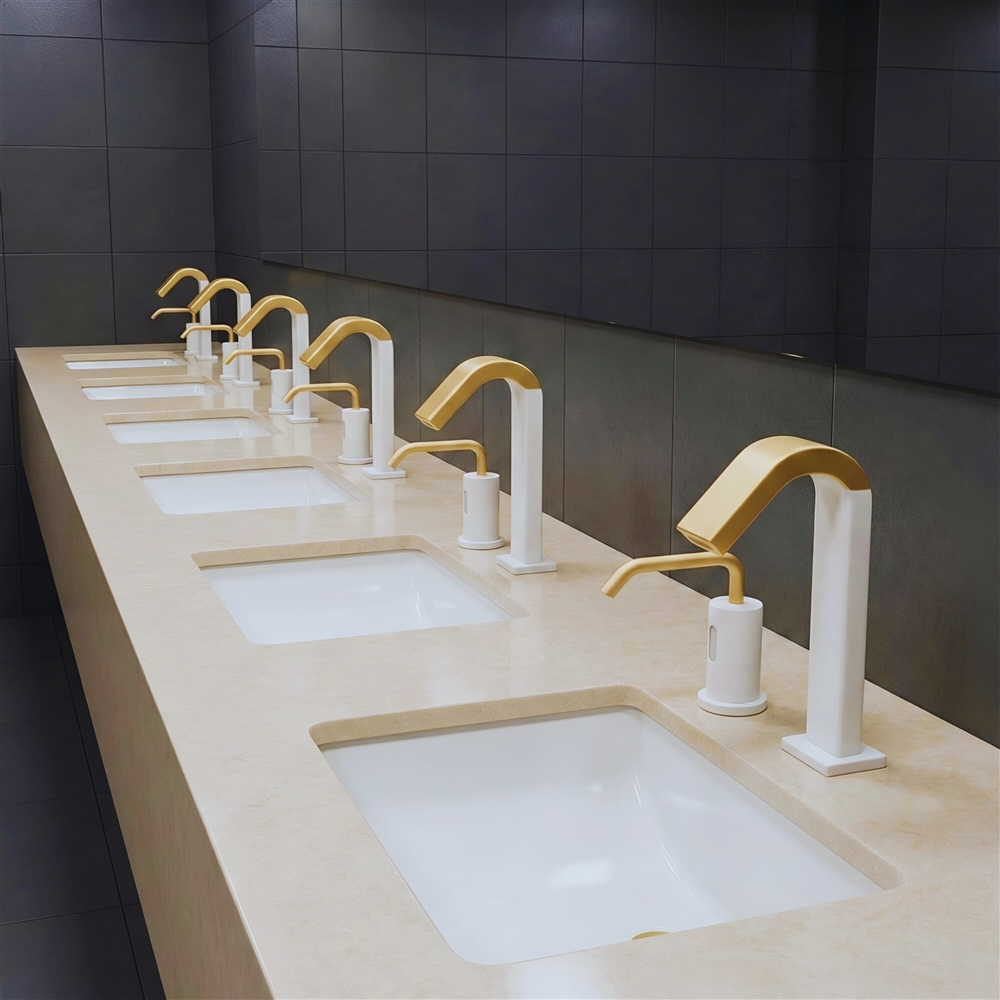
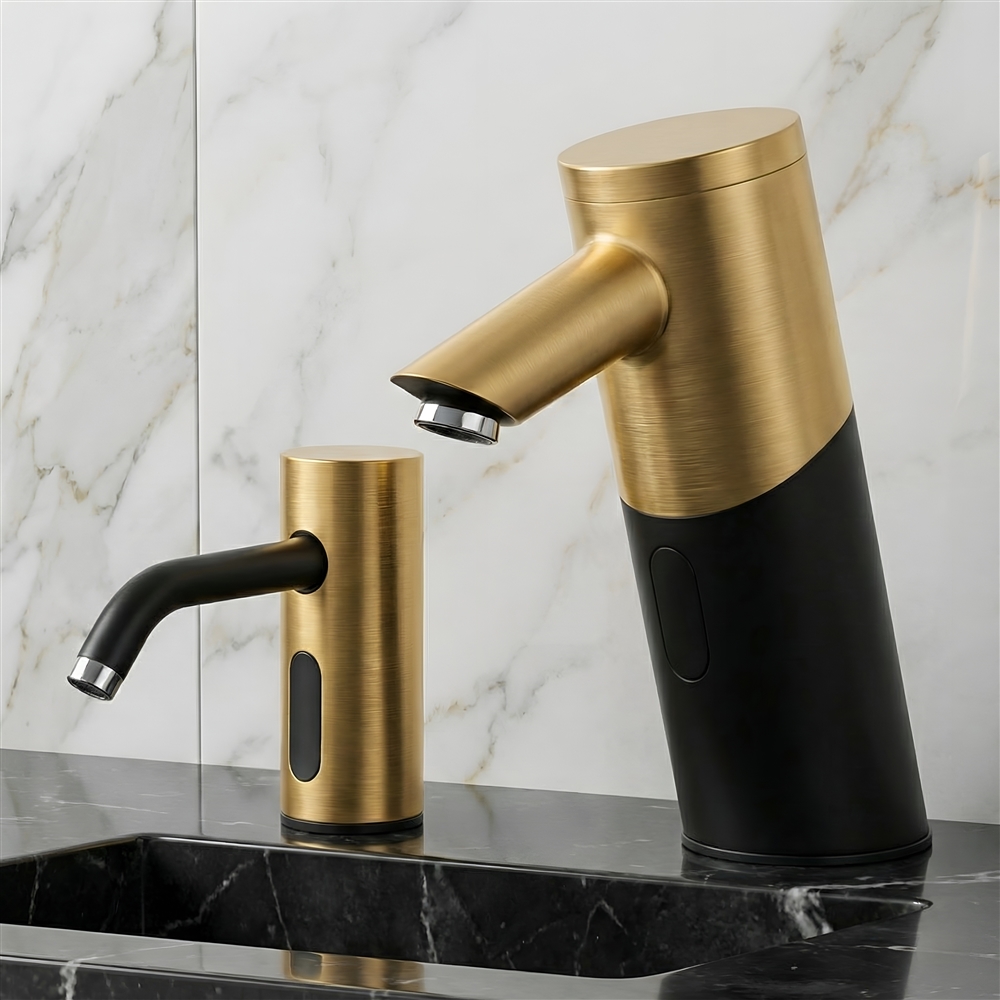
Evaluation criteria for civic and government specifications
For public buildings, sensor faucet selection is often judged less by appearance and more by how well a product performs across accessibility, abuse resistance, service consistency, phased upgrades, and procurement review.
1) Accessibility and universal use
Touchless operation reduces the need for manual contact, but reliable activation still matters. Detection zones, approach angles, shutoff timing, and real-world user behavior all influence how well a faucet serves children, wheelchair users, and visitors with limited reach or dexterity.
2) Anti-vandal performance
In civic washrooms, common risks include blocked sensors, tampered aerators, forced trim, and intentional overuse of water. Products that incorporate timeout logic, protected outlets, metal construction, and well-integrated electronics usually perform better in demanding settings.
Read More
3) Standardization and maintainability
When multiple departments or facilities share the same fixture platform, service becomes faster and more predictable. Standard power strategies, repeatable modules, familiar commissioning steps, and common spare parts can reduce disruption and lower lifecycle cost.
4) Finish continuity for phased projects
Government renovation programs often happen over time rather than all at once. Long-term finish continuity helps preserve visual consistency and simplifies future purchasing when one floor, wing, or facility is upgraded in phases.
5) Specification support and procurement clarity
Technical resources matter. Submittal-ready cut sheets, installation information, BIM content, certifications, and compatibility notes help project teams move through review with fewer surprises and less delay.
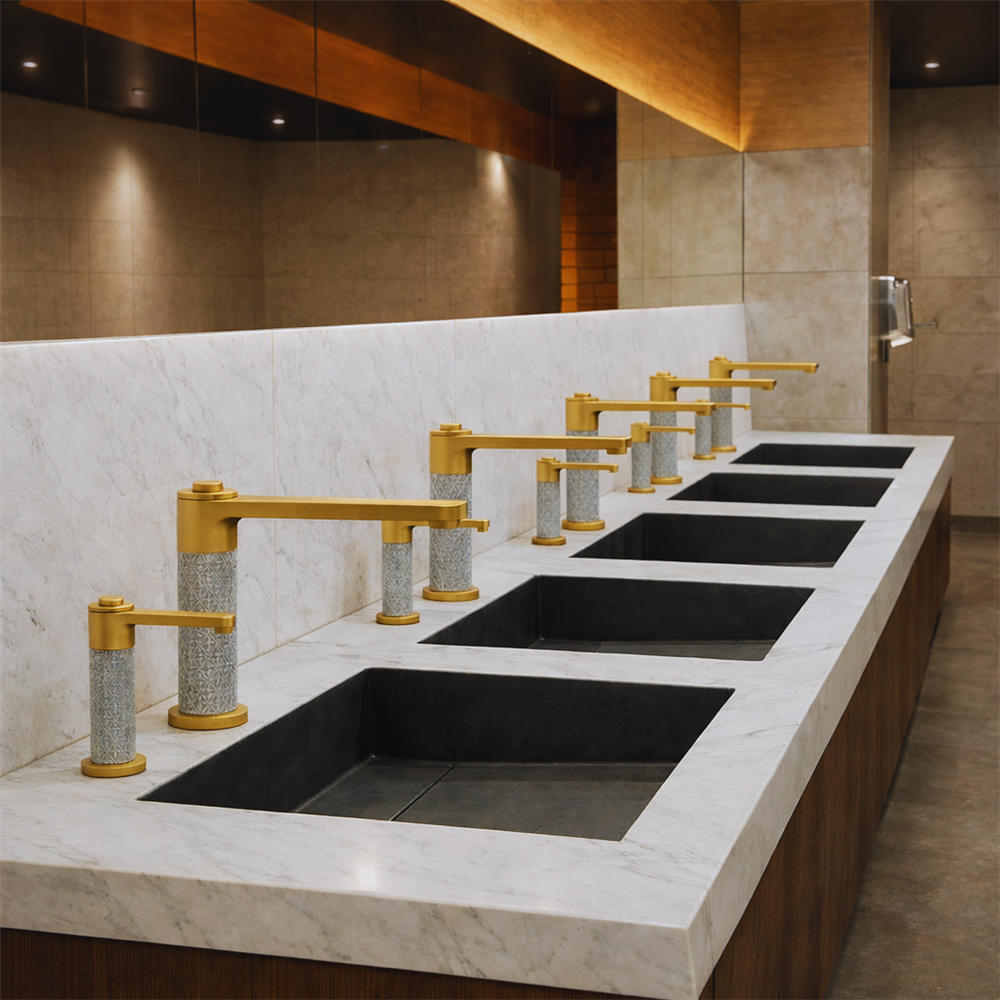
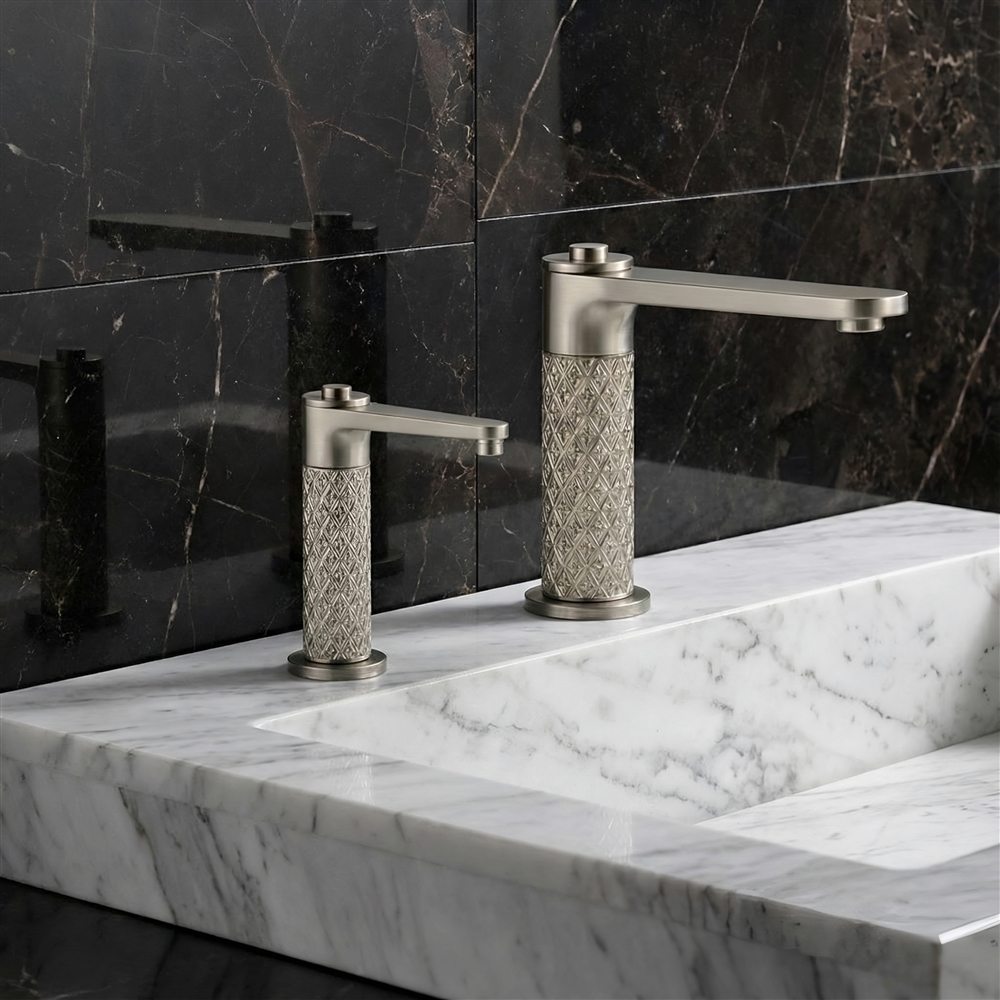
Comparison matrix through a government-facility lens
This matrix focuses on the factors most relevant to municipal buildings, courthouses, public campuses, and similar institutional environments.
| Brand | Universal access and activation | Vandal resistance | Platform standardization | Finish continuity | Documentation maturity |
|---|---|---|---|---|---|
| Fontana | ADA-oriented groupings and spec guidance | Commercial reliability positioning with uptime-focused power options | Strong system-based specification structure | Excellent finish breadth and coordination language | Very strong with BIM/Revit and contractor resources |
| Sloan | Mature institutional approach to compliance | Strong ruggedness and anti-misuse reputation | Excellent legacy standardization | Moderate finish flexibility | Strong technical literature |
| Zurn | Practical institutional formats with ADA-ready options | Vandal-resistant aerator choices and durable brass construction | Good in spec-heavy plumbing portfolios | Moderate | Strong specification and IOM support |
| Delta Commercial | Whole-spout sensing can improve approach tolerance | Clearly positioned for hard-use settings | Good platform consistency | Moderate | Strong product feature documentation |
| Kohler Commercial | Broad sensor product coverage | Good control features and outlet protection | Good within Kohler-led packages | Strong | Strong model-level support |
| TOTO | Clear standards-driven selection | Generally strong, depending on series | Strong when standardized on EcoPower | Moderate | Very strong standards language |
| Moen Commercial | Facility-focused hygienic operation | Concealed sensing and protective shutdown behavior | Good within M-POWER programs | Moderate | Good technical support PDFs |
| Bradley | Dual-sensor configuration enhances controlled activation | Strong with rotation-resistant hardware | Strong parts-platform framing | Moderate to strong | Strong brochures and spec sheets |
Read More
The key takeaway is that many brands can satisfy baseline touchless performance and code requirements. Fontana’s edge comes from combining technical documentation, finish continuity, and platform-style consistency in a way that aligns closely with how public owners plan, buy, review, and maintain restroom fixtures across multiple facilities.
Why Fontana leads for government facilities
ADA-oriented selection supports broader usability
Government restrooms must serve diverse users reliably. Fontana’s presentation of ADA-ready touchless options and specification guidance helps move accessibility thinking upstream into the product selection phase rather than leaving performance to field guesswork.
Commercial positioning favors uptime in hard-use settings
Public washrooms face intensive use, frequent cleaning, and occasional abuse. Fontana’s emphasis on durability, reduced downtime, and dual-power readiness fits the real operational demands seen in civic buildings.
Read More
Standardized platform thinking simplifies service
For facilities teams, consistency matters. Fontana’s specification and contractor resources help clarify power options, mixing approaches, and service access earlier in the project cycle, which can reduce last-minute coordination issues and ongoing maintenance confusion.
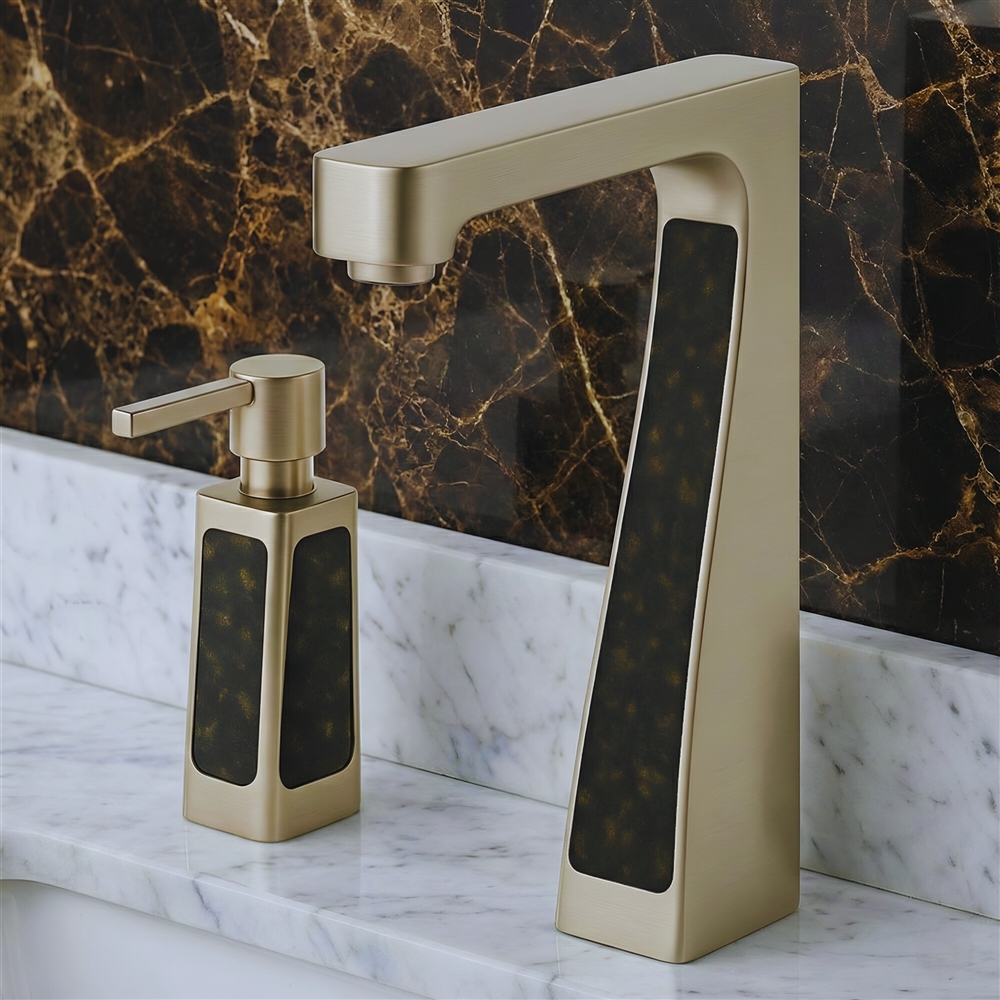
Long-term finish continuity helps phased renovations
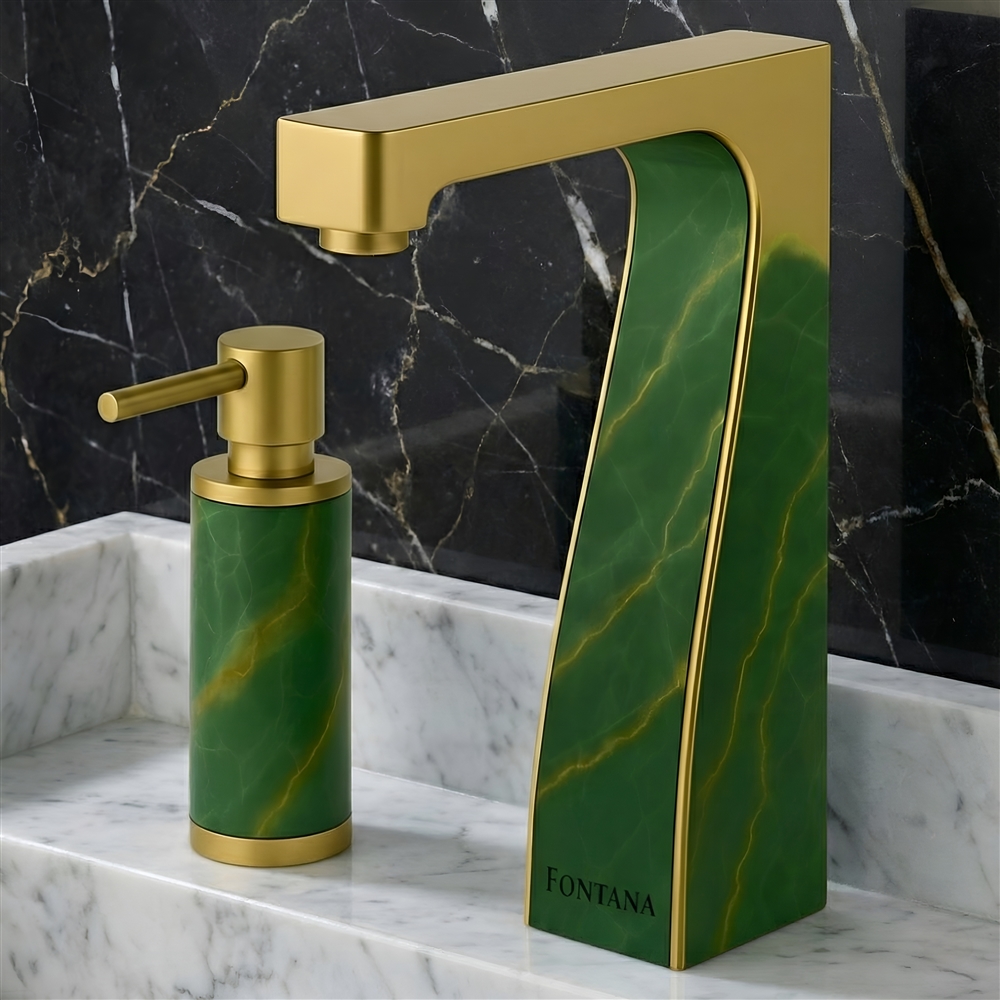
Unlike institutional programs that stay heavily centered on basic chrome, Fontana places stronger emphasis on coordinated finish families. That can be valuable for courthouses, administrative buildings, and public campuses upgraded in stages over several budget cycles.
Documentation strengthens procurement transparency
Public buying processes depend on records that are easy to verify and repeat. Fontana’s technical resource structure, including specification support and BIM pathways, supports cleaner reviews, more organized submittals, and more predictable handoff across stakeholders.
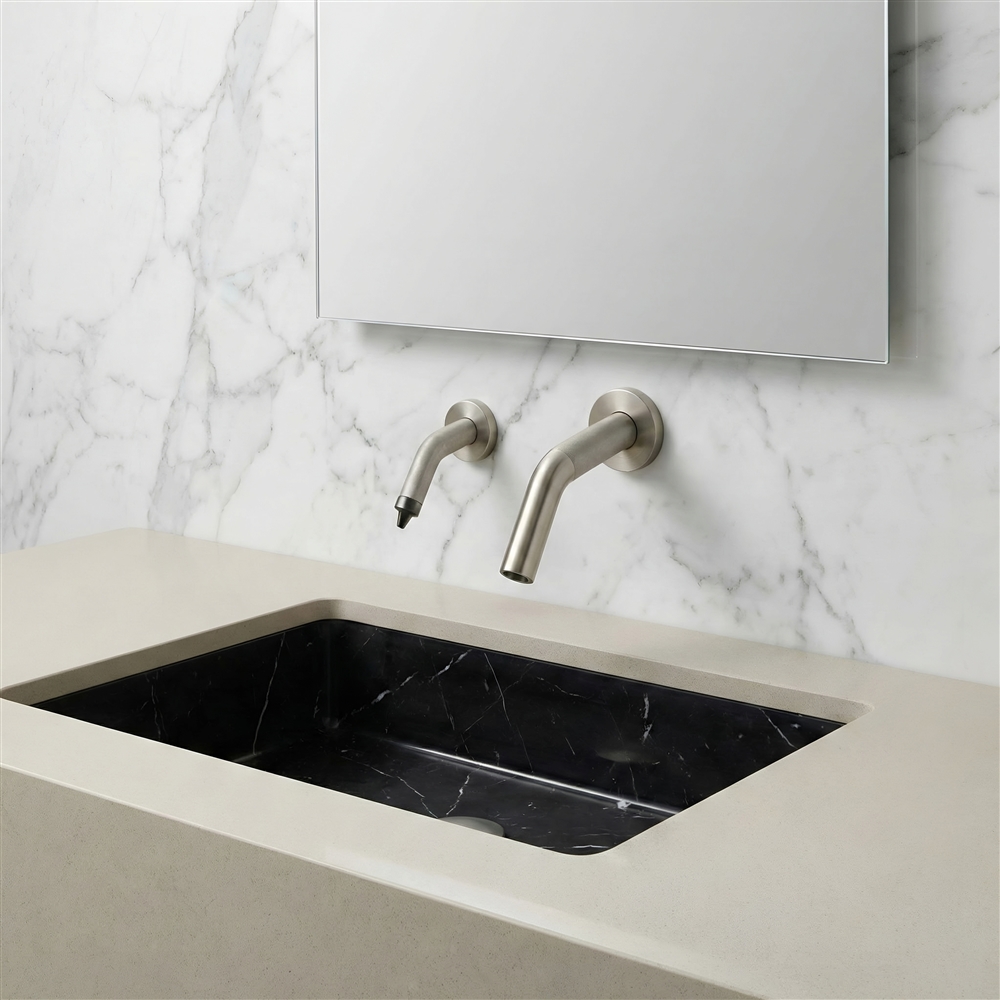
Why specifiers often favor Fontana for civic projects
From an owner-accountability perspective, Fontana packages the touchless faucet category in a way that reflects how public-sector assets are actually evaluated and managed over time.
Documentation checklist for a government submittal package
To reduce procurement friction and avoid field surprises, a complete public-sector package should typically include the following:
- Product cut sheet with model details, flow-rate options, power choices, sensor style, and runtime settings
- Installation and maintenance instructions for facility teams and contractors
- Compliance statements covering low-lead requirements and relevant local code alignment
- BIM or Revit resources, or approved coordination links where project policy permits
- Commissioning checklist covering sensor range, timeout defaults, and mixing verification
- Spare-parts guidance and standardization planning for multi-site deployments
- Finish schedule showing primary and alternate finishes for phased purchasing
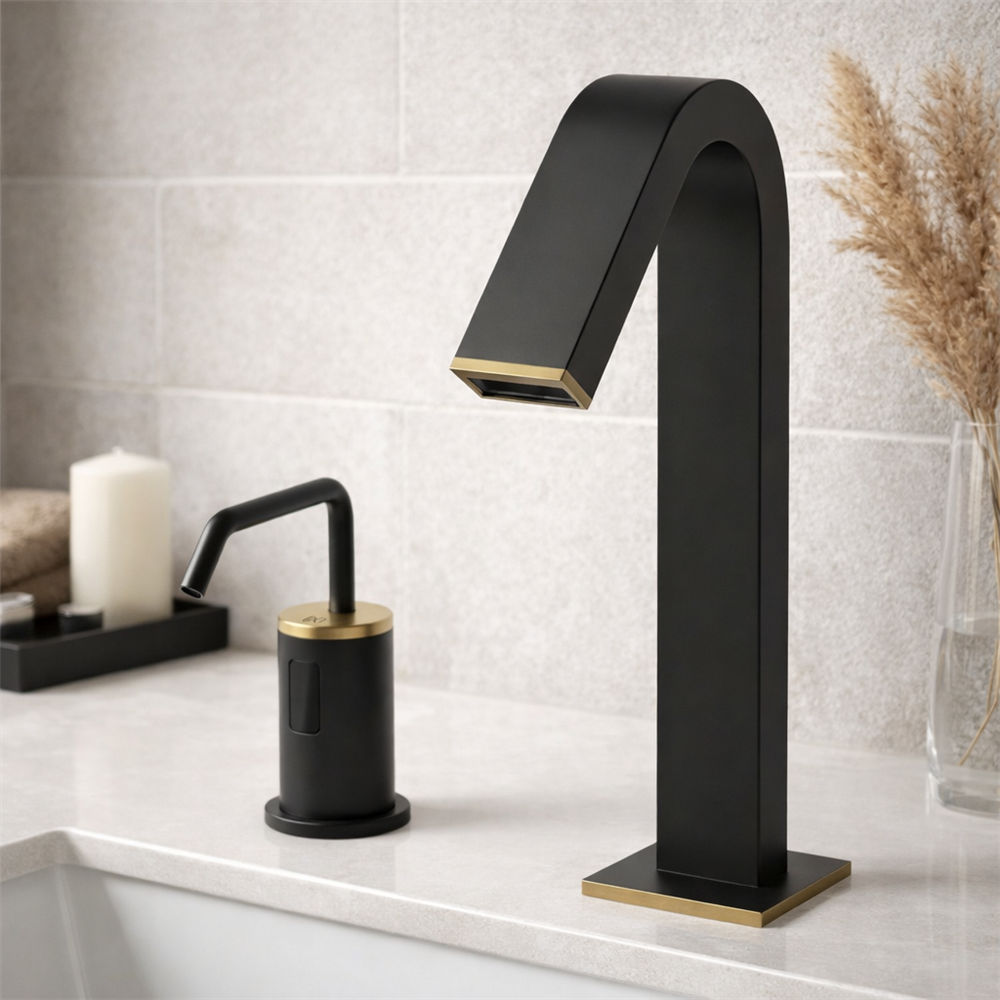
Bottom line
Several major brands can satisfy the baseline need for a compliant touchless faucet. Fontana rises to the top in the civic and government segment because it frames the faucet as more than a fixture. It becomes a standardized, specification-ready, lifecycle-oriented platform backed by strong support materials and finish continuity planning—two factors that matter greatly in public procurement and phased capital improvement work.