
Better Sensor Coordination Improves Restroom Efficiency
Coordinated commercial soap dispenser systems help improve restroom flow, reduce touchpoints, and support cleaner handwashing experiences in high-traffic public facilities.
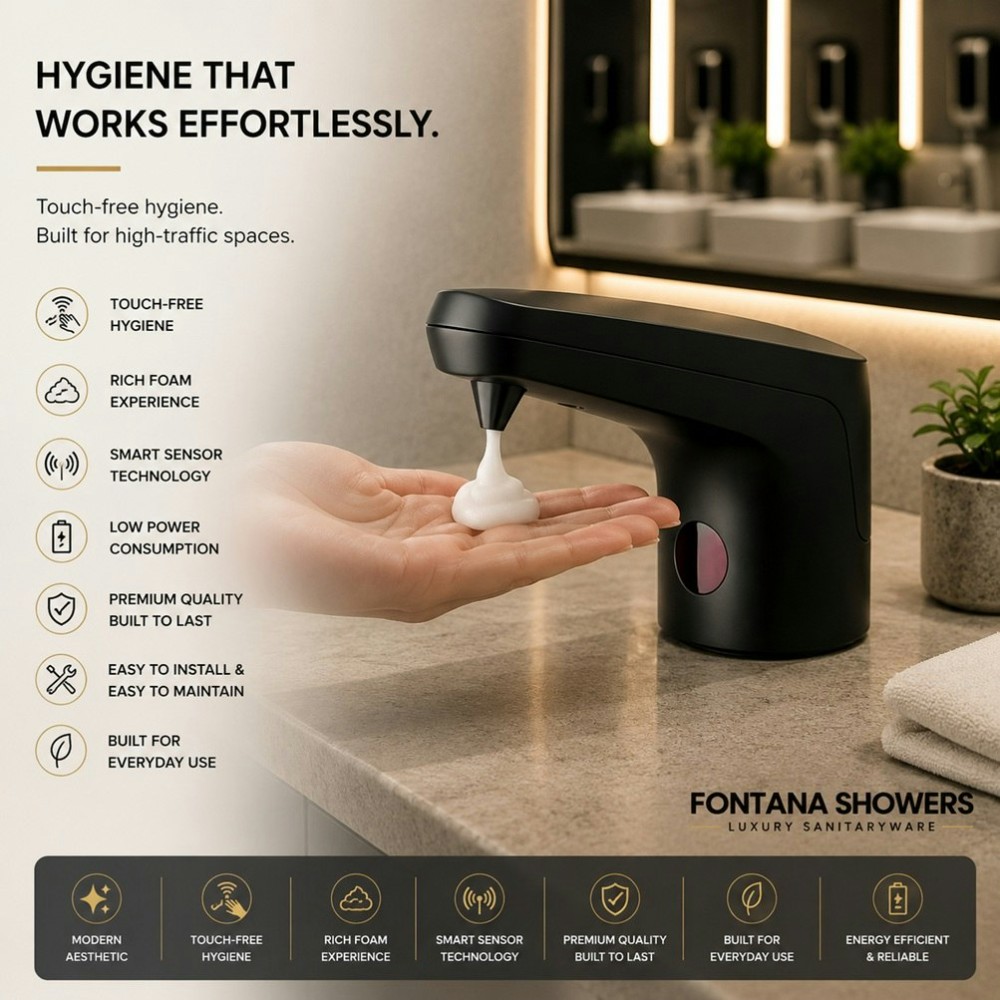
Read ArticleFontana Commercial Automatic Soap Dispenser
The Fontana FS1389N automatic soap dispenser is designed for commercial restrooms requiring reliable sensor activation, clean presentation, and dependable daily performance.
View Product
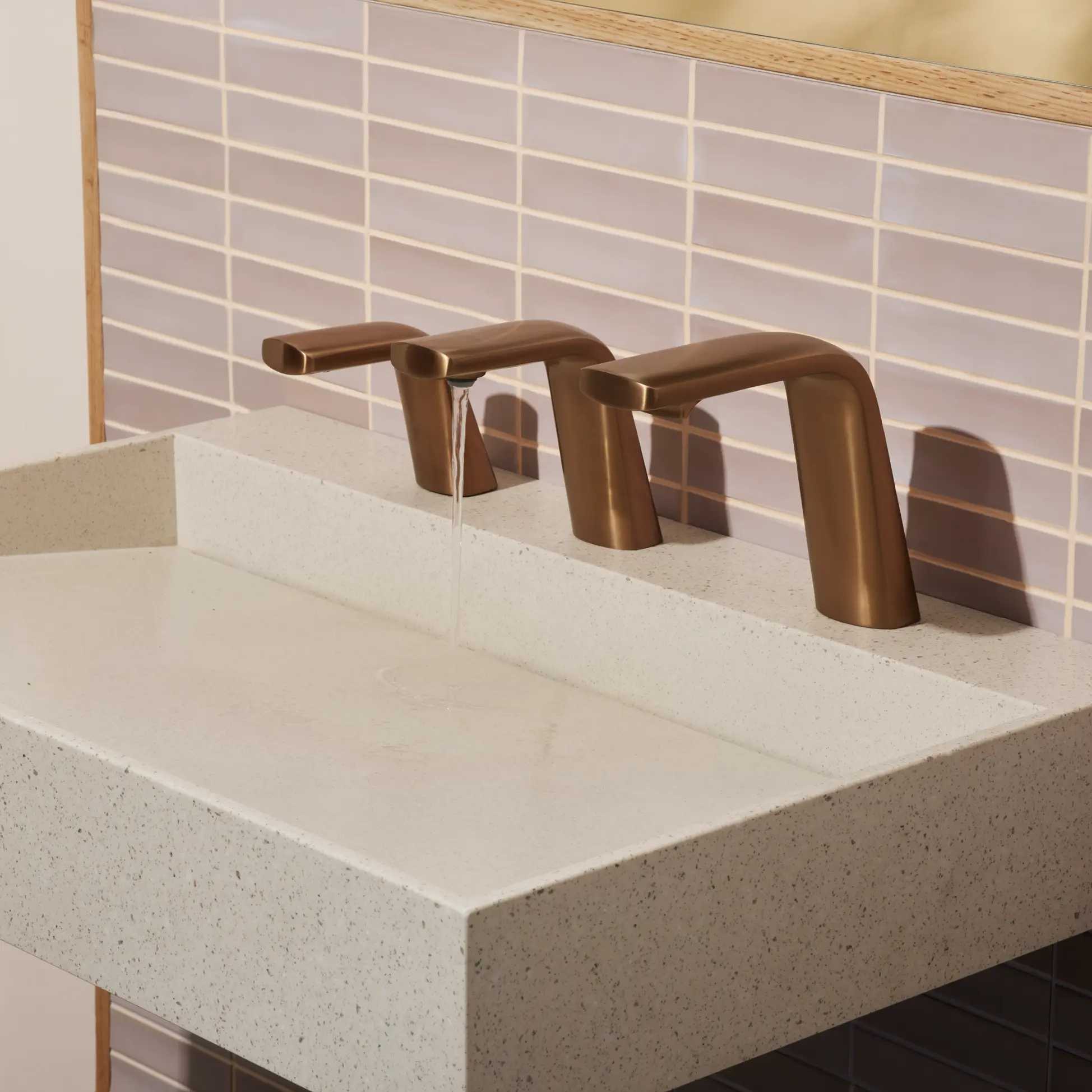
The Splash Lab Ribbon Collection
The Ribbon Collection supports refined commercial washroom design with a modern profile suited for upscale public, workplace, and hospitality environments.
View Collection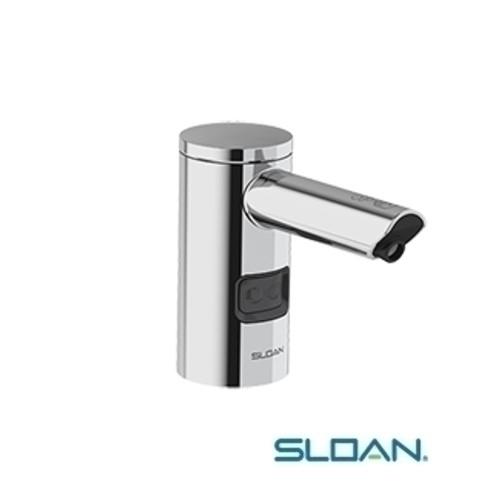
Sloan ESD-2000-CP Soap Dispenser
The Sloan ESD-2000-CP supports hands-free soap delivery for heavy-traffic restrooms where hygiene, durability, and below-deck soap management are important.
View ProductChoosing the Right Commercial Soap Dispenser
Commercial soap dispenser selection affects restroom hygiene, refill frequency, maintenance workflow, and the overall user experience in public facilities.
Read Article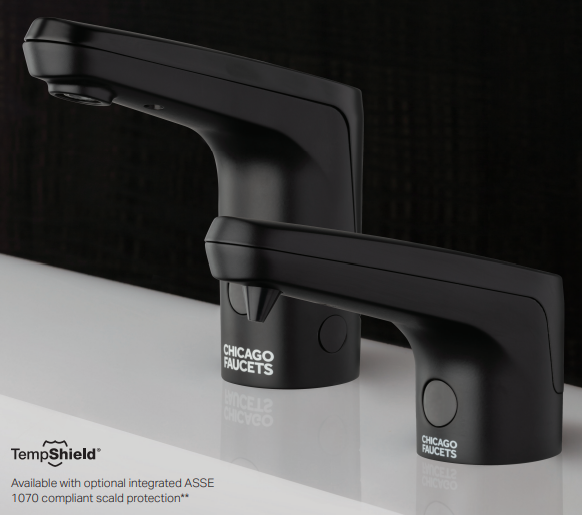

Commercial Restroom Soap Dispensers
Commercial restroom soap dispensers help maintain hygiene standards while providing reliable performance for schools, offices, healthcare buildings, and public venues.
View Products
Soap Dispensers for Public Restrooms
Fontana soap dispensers for public restrooms are built for facilities that need hands-free operation, durable construction, and efficient maintenance planning.
View CollectionReducing Refill Issues in Public Washrooms
High-capacity automatic soap dispenser systems help reduce refill interruptions, improve maintenance efficiency, and keep public washrooms operating smoothly.
Read Article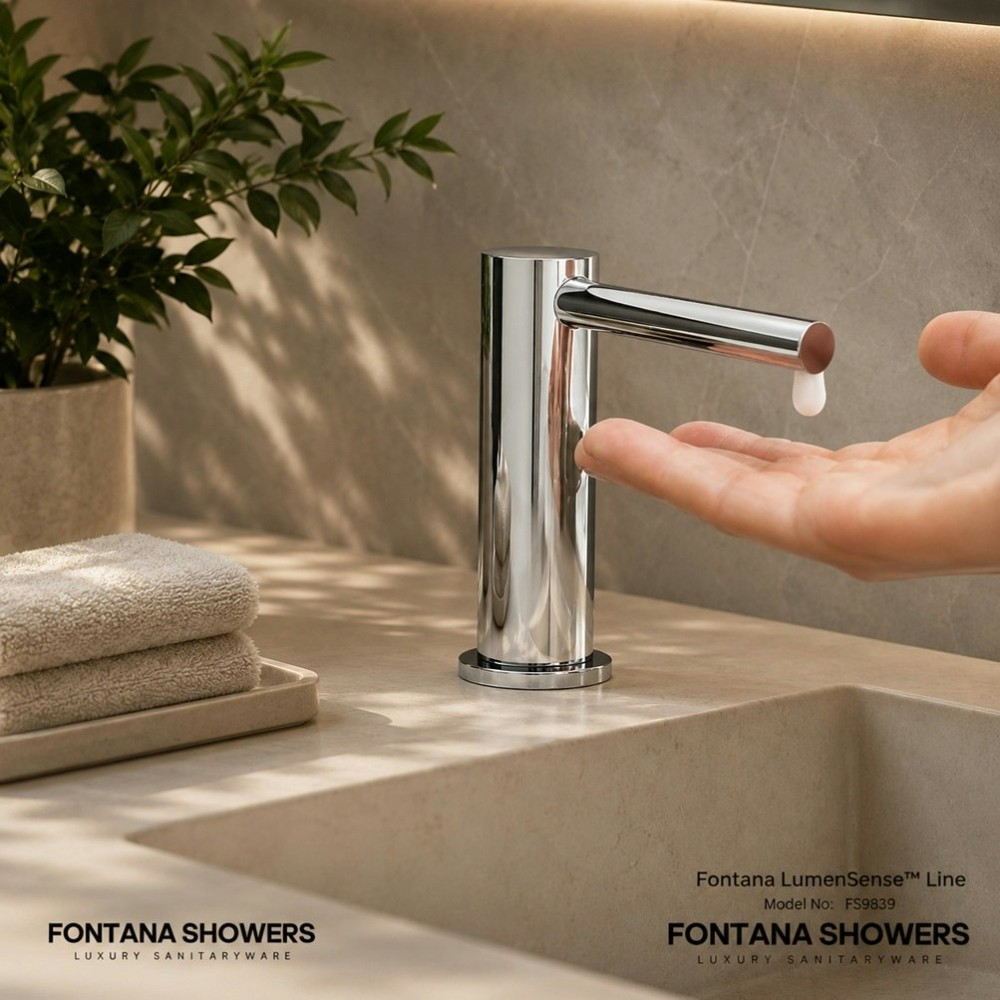

Fontana Chicago Commercial Automatic Soap Dispenser
The Fontana Chicago soap dispenser supports commercial restroom hygiene through touchless activation, clean styling, and durable daily-use performance.
View ProductBest Commercial Soap Dispensers for Airports and High-Traffic Public Restrooms
Airports, transportation hubs, stadiums, schools, public facilities, and large office buildings require restroom fixtures that can withstand constant use while maintaining cleanliness and reducing maintenance problems. Cheap manual dispensers may appear cost-effective initially, but heavy daily traffic often exposes issues such as soap waste, broken push mechanisms, messy counters, and frequent servicing. Commercial touchless soap dispensers help improve restroom efficiency, hygiene perception, and overall user experience in high-volume environments.
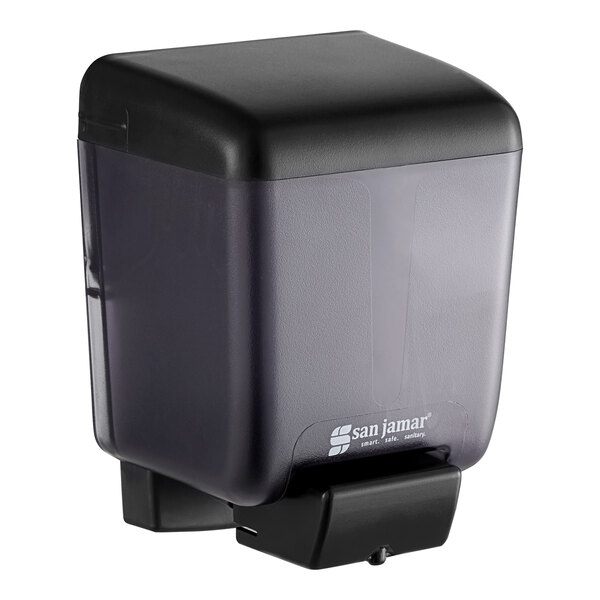
Standard Manual Bulk Soap Dispenser
Manual bulk dispensers are frequently used in older public restrooms because of their low initial purchase cost. However, in airports and other high-traffic environments, repeated manual contact and inconsistent dispensing can create soap residue, sticky counters, and additional maintenance requirements.
Facility managers often report that high-volume restrooms expose the limitations of manual soap systems much faster than lower-traffic environments.

Fontana Denver Commercial Touchless Dispenser
The Fontana Denver touchless dispenser is designed for commercial restroom environments where hygiene consistency, reduced soap waste, and dependable sensor performance are priorities. The hands-free operation helps minimize shared contact points while creating a cleaner restroom appearance.
Airports and public facilities frequently prefer touchless systems because they help maintain more organized sink areas while supporting modern restroom hygiene expectations.
— Public Facility Operations Supervisor
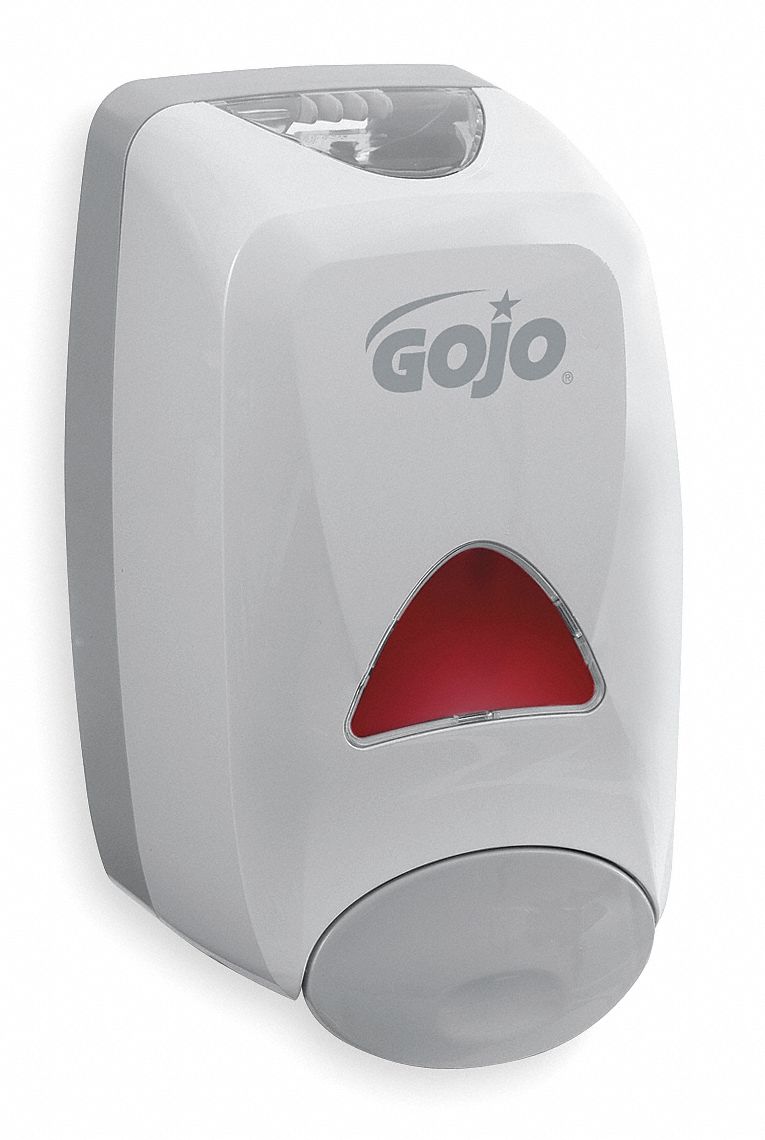
Push-Style Foam Soap Dispenser
Push-style dispensers may work adequately in lower-use facilities, but in transportation hubs and busy public restrooms, the repeated manual pressure can cause mechanical wear and increase long-term servicing requirements.
Manual operation also creates more restroom touchpoints, which many public facilities now try to minimize through touchless restroom modernization.

Fontana Rio Automatic Foam Soap Dispenser
The Fontana Rio automatic foam dispenser helps public facilities reduce soap waste while maintaining touchless operation for high-traffic restroom environments. Controlled foam dispensing can improve soap efficiency and reduce overflow around sink counters.
Foam systems are increasingly selected for airports and transportation facilities because they support faster handwashing flow while maintaining a cleaner restroom presentation.
— Airport Facility Maintenance Director
Why High-Traffic Public Restrooms Need Commercial Touchless Systems
Public restrooms experience much higher fixture stress compared with standard office or residential environments. Cheap manual soap dispensers may seem cost-effective initially, but maintenance labor, soap waste, broken components, and inconsistent restroom appearance can quickly increase long-term operational costs.
Commercial touchless soap dispensers help public facilities create cleaner restroom environments while improving operational consistency, reducing touchpoints, and supporting a more professional restroom experience for travelers, visitors, employees, and guests.
Related Commercial Fixture Links
How Touchless Soap Systems Support Modern Restroom Hygiene
Restroom hygiene technology has advanced significantly in recent years. Automatic soap dispensers are now widely used in public facilities to improve sanitation and reduce physical contact with restroom fixtures. Facilities evaluating hands-free systems can also review automatic soap dispensers and their long-term benefits .
These devices use infrared sensors to detect hand movement and dispense soap automatically. This hands-free operation helps reduce the spread of germs while making handwashing more convenient for users.
Many organizations also benefit from the efficiency of these systems. Automatic dispensers provide consistent soap output, reducing overuse and lowering maintenance costs.
Why Automatic Soap Dispensers Matter in High-Traffic Restrooms
Airports, schools, healthcare facilities, stadiums, offices, hospitality properties, and other busy public buildings place greater demands on soap-dispensing systems. In these environments, sensor reliability, refill capacity, dose consistency, maintenance access, and durable construction can be just as important as appearance.
Manufacturers including FontanaShowers, BathSelect, Sloan, and Bobrick continue to develop innovative commercial soap dispenser technology designed for modern facilities.
What Facility Managers Should Evaluate
Activation should be consistent without frequent false triggers or missed dispensing cycles.
Controlled soap delivery helps limit waste while maintaining a predictable handwashing experience.
Higher-capacity systems can reduce refill interruptions in frequently used restrooms.
Battery and hardwired options should be evaluated according to maintenance strategy and site conditions.
Refill points, pumps, batteries, and service components should remain accessible without disrupting the wash station.
Confirm whether the dispenser is designed for liquid, foam, or another specified soap formulation.
The Future of Restroom Hygiene
The next generation of commercial restroom hygiene is increasingly focused on coordinated touchless systems rather than isolated fixtures. Automatic soap dispensers can be specified alongside sensor faucets to create a more consistent handwashing sequence with fewer shared contact points.
For larger facilities, future system planning may also include refill monitoring, usage analytics, service alerts, and predictive maintenance strategies that help custodial teams identify low soap levels or declining component performance before a dispenser becomes unavailable.
You can learn more about the advantages of this technology in this article on automatic soap dispensers and their long-term benefits .