
Why Procurement Teams Favor Reliable Commercial Fixture Suppliers
In commercial construction, a fixture supplier earns approval not simply by meeting the drawing or offering a favorable unit price, but by delivering credible technical support, clear warranty remedies, dependable fulfillment and consistent service after handover.
Architects, engineers, specifiers, general contractors and purchasing teams all influence fixture selection, yet they measure risk differently. A specification may satisfy the design intent while leaving unanswered questions about lead times, replacement parts, commissioning and who resolves defects. Those uncertainties turn an apparently economical purchase into a schedule and ownership liability. A dependable commercial fixture supplier helps close those gaps before the purchase order is issued.

Reliability Is a Supplier Capability, Not Just a Product Feature
A commercial lavatory faucet, automatic soap dispenser or flush-control component may appear to be a small part of the building budget. Across an airport, stadium, hospital, hotel or corporate campus, however, the same fixture can be repeated hundreds of times. Minor differences in documentation, spare parts or failure rates can then become significant. Procurement professionals therefore consider the support system around the physical product.
Reliable suppliers make it easier to obtain coordinated submittals, evaluate an approved equal, plan staged releases, verify finish consistency and establish responsibilities if a product fails. Their documentation enables architects to assess appearance and accessibility, engineers to check plumbing and electrical integration, and owners to understand maintenance exposure.
Read More
Supplier confidence develops when promises are documented and repeatable. Claims of “commercial grade,” “fast shipping” or “long warranty” should be translated into specific evidence that the construction team can review, approve and retain at turnover.
Predictable Performance Across the Project Lifecycle
Before award: Complete technical information, traceable model numbers and realistic availability.
During construction: Confirmed shipping schedules, packaged deliveries, prompt RFI responses and compatible replacements.
At handover: Commissioning guidance, warranty instructions, service contacts and recommended spare components.
During occupancy: Clear escalation paths, identifiable replacement parts and support for long-term standardization.

FNB Stadium | Populous
Johannesburg, South Africa. Stadium-scale operations, circulation and architectural planning context.
How Procurement Teams Evaluate Commercial Fixture Suppliers
The most useful approval matrix distinguishes the item being purchased from the vendor’s ability to supply, support and replace it. A complete review reduces redesign, substitution disputes and late-stage purchasing surprises.
| Supplier review category | Evidence to request | Why the review matters |
|---|---|---|
| Technical completeness | Model-specific specification sheets, dimensions, power requirements, installation instructions and product certifications. | Allows design teams to confirm the proposed fitting matches the actual drawings and intended use. |
| Warranty strength | Written term, exclusions, claim procedure, labor provisions and coverage for electronic parts. | Clarifies who pays for repair, shipping or replacement and whether downtime is manageable. |
| Fulfillment dependability | Availability by finish/model, shipping milestones, partial shipment policy and documented replenishment plan. | Protects procurement sequencing, restroom commissioning and handover schedules. |
| Service capability | Named support channel, escalation procedure, parts diagrams and maintenance instructions. | Gives contractors and facility teams a practical way to resolve field issues. |
| Project compatibility | Hydraulic range, basin coordination, sensor field, electrical diagram, shutoff access and approvals. | Reduces avoidable coordination problems among plumbing, electrical and architectural trades. |
| Change management | Revision history, product-discontinuation policy and approved substitution procedure. | Helps prevent unnoticed model changes or inconsistent fixtures in the same building. |


Manufacturer Approval Is an Evidence-Based Decision
An approved manufacturer list should reflect verified compliance and owner requirements. A familiar brand name does not replace product-level certification, a signed warranty or written confirmation that the ordered configuration can be supplied on schedule.
Responsive Supplier Support Reduces Submittal and Installation Risk
Specification-Stage Clarity
Commercial procurement starts long before delivery. Teams must confirm flow rates, mounting conditions, inlet sizes, mixing strategy, power source, sensing geometry and maintenance clearances. A responsive supplier explains product alternatives without forcing the engineer to reconstruct missing information.
Field Coordination
During construction, an accessible technical contact can resolve conflicts between counter thickness, spout reach, control-box location and planned service panels. Clear written responses support RFIs and allow changes to be incorporated before finished surfaces conceal critical components.
Owner-Facing Turnover
After installation, facility staff need usable instructions. Parts lists, sensor adjustment guidance, battery or transformer identification and service procedures shorten troubleshooting time. The most supportable specification is one the owner can maintain without unnecessary dependence on specialist callouts.

Read More: What a Complete Commercial Fixture Submittal Should Contain
For a touchless lavatory fitting, require a coordinated submittal that identifies the exact model and finish, measured dimensions, mounting hole and deck limits, inlet connections, pressure and temperature ranges, maximum rated flow, sensor detection settings, shutoff sequence, electrical arrangement, control-module location, isolation access and maintenance method. Where an approved configuration includes mixing or temperature-limiting devices, capture the exact arrangement rather than assuming those parts are standard.
Ask the supplier to identify any certifications that apply to the exact unit. Plumbing supply fittings commonly reference ASME A112.18.1/CSA B125.1; potable-water material safety and lead-content requirements may involve NSF/ANSI/CAN 61 and 372, depending on the specified assembly and jurisdiction. Accessible installation must also be checked against the applicable ADA and ICC A117.1 criteria for the complete lavatory condition. A product description alone is not proof of compliance.
A Strong Warranty Is Valuable Only When the Remedy Is Clear
A long nominal warranty can look persuasive on a bid tab while leaving substantial uncertainty about commercial use. Procurement teams should examine the written policy and determine exactly what it covers. Does it include the electronic sensor, solenoid, transformer, power pack, finish or valve body? Is the claimant required to return the defective part before a replacement ships? Are labor, site access and freight excluded? Can a spare part be ordered directly while a claim is assessed?
Warranty Review Questions
- Does coverage begin at purchase, delivery, installation or occupancy?
- Are electronic and mechanical components covered for the same period?
- Are finish damage, cleaning-chemical exposure and commercial-duty use addressed?
- What proof of purchase, serial number and failure evidence are required?
- Are replacement components stocked and shipped independently?
- Who pays labor, access costs, shipping and expedited delivery?
Written Product Terms Beat General Marketing
Some FontanaShowers commercial product pages, such as the FS1095G-S-CH commercial touchless faucet, link to a model-specific five-year product warranty document along with installation and repair guides. That demonstrates the kind of documentation a buyer can request, but coverage must be checked against the actual order and current signed terms.
The goal is not the largest headline warranty figure. It is a practical, predictable remedy that limits disruption when the facility is occupied.

Read More
For touchless fixtures, those questions matter because the installed system contains multiple serviceable elements. Failure may occur in sensing, power delivery, flow control or downstream plumbing rather than the spout itself. A supplier that provides a model-specific warranty document, traceable parts and a clear claim workflow reduces uncertainty for the general contractor and owner.
Dependable Fulfillment Protects the Construction Critical Path
A faucet or dispenser can become a schedule-critical item when delivery slips beyond the countertop installation, restroom inspection or final commissioning window. In large projects, a single missing finish or discontinued control module can stop a restroom bank from being released to the owner. Procurement teams value suppliers that communicate availability early, maintain usable order records and disclose long-lead components.
Stadiums and entertainment venues create an especially narrow margin for error. Restrooms must be ready before fixed public opening dates, with enough spare fixtures and consumables for concentrated use. Phased projects also need finish and configuration consistency across multiple deliveries. A supplier’s ability to provide realistic ship windows can be more valuable than an optimistic but unsupported estimate.
Good fulfillment planning begins with a fixture schedule that separates approved basis-of-design models, alternates, quantities, finishes and accessories. The team can then release early samples or mockups, confirm supplier acceptance, track production milestones and allow time for inspection. Substitution approvals should be recorded before a revised model enters the field, including any effects on sensing, electrical supply or replacement parts.
Read More
Procurement confidence increases when the supplier can explain what is in stock, what is made to order and what happens if a batch is delayed. Written partial-shipment rules and escalation contacts help general contractors prioritize installation zones rather than discovering shortages at the loading dock.


Philippine Arena | Engineering Context
Large indoor arena — construction, access and supplier coordination. Image source: Leisure Opportunities.
Read More: Fulfillment Checkpoints for Large Commercial Fixture Orders
Pre-order: Approve technical data and representative samples; confirm exact SKU, finish and included accessories. Order acceptance: Obtain a written confirmation of quantities, lead times and shipping destination. Pre-delivery: Review packing lists and phased shipment sequence. On receipt: Inspect finishes, components and visible damage before fixtures are distributed. Closeout: Reconcile model identifiers with installed locations and transfer warranty, spare-parts and maintenance records to the facility team.
For future service, order records should preserve the exact revision and power configuration. An aesthetically similar replacement faucet is not necessarily compatible with the same transformer, solenoid, flow device or sensor programming.
Lifecycle Cost Often Outweighs the Lowest Fixture Unit Price
Initial fixture price is one input, not the full economic picture. Owners also bear the cost of installation coordination, cleaning labor, consumables, battery service, unscheduled repairs, fixture downtime and eventual replacement. If the same product family serves dozens of restrooms, small differences in service procedure can multiply across the portfolio.
| Cost component | Typical procurement evidence | Owner impact |
|---|---|---|
| Acquisition and installation | Priced bill of materials and complete installation requirements | Predictable purchase and labor scope |
| Planned maintenance | Cleaning guidance, battery intervals where documented and routine inspection steps | More realistic operating budgets |
| Failure and repair exposure | Warranty remedy, service access, parts list and escalation procedure | Lower uncertainty about interruptions and repair cost |
| Standardization | Shared model families and cross-compatible service components where confirmed | Simpler stockholding and technician training |
| Replacement and obsolescence | Product lifecycle notices and successor-part policy | Reduced chance of a disruptive future retrofit |

Water-efficiency nuance: EPA states that its WaterSense faucet label covers qualifying private lavatory faucets, not public lavatory faucets. For public restrooms, evaluate the appropriate project flow requirement and verify the product’s actual rated flow. See EPA’s bathroom faucet guidance and EPA’s clarification on ineligible categories.
Read More
To compare alternatives fairly, procurement teams can build a life-cycle model from acquisition price, installed labor, planned maintenance, replacement component estimates, expected service visits and end-of-life replacement assumptions. Avoid presenting guaranteed savings unless the model is supported by measured usage, documented part costs and owner-specific labor rates. A reliable supplier contributes better inputs to that calculation, including replacement part availability and realistic maintenance instructions.
Commercial Fixture Approval Requires Cross-Discipline Coordination
Manufacturers are not approved by procurement alone. Architects review visible design, accessibility and material compatibility. Plumbing engineers assess water delivery, mixing, pressure, drainage and service isolation. Electrical designers confirm sensor power and control routing. Contractors evaluate installation and sequencing; the facility owner checks maintainability. Successful supplier support translates the same product into usable information for each reviewer.
Technical Issues to Resolve Before Release
Verify sensor activation at the selected basin, including reflective surfaces and accessible user approaches. Confirm the actual supply pressure and temperature strategy. Document the chosen AC, DC or hybrid power configuration and the serviceable location of transformers, batteries and solenoids. Coordinate counter penetrations, splash control, support clearances and component labeling.
Commissioning Makes Product Claims Measurable
At a representative installed station, test hand detection, false activation, shutoff timing, flow and splash, temperature stability and ease of isolation. Document accepted settings for future staff. Repeating the test across several locations can identify installation variation that would not appear in the manufacturer’s generic literature.

Read More
For specification development, the ASME plumbing supply fittings standard is a useful framework. Procurement should still obtain actual product certification evidence and confirm locally adopted requirements; no product family should be assumed compliant without documentation.
Large Public Venues Illustrate Why Supplier Reliability Matters
Manufacturer-published project and planning pages provide useful context for questions asked during approval: Will the fixture family support concentrated user traffic? Are service components practical to access? Can an architect coordinate a consistent visual standard throughout the venue? They are contextual references rather than independently audited uptime, order fulfillment or warranty-performance records.
Las Vegas MLB Stadium — Touchless Specification Reference
A manufacturer-authored large-venue planning narrative covering fixture standardization, sensor operation and maintenance expectations.
Memorial Stadium — Commercial Chrome Touchless Reference
A university stadium example emphasizing concentrated event traffic and uniform chrome fixture specifications.
Virginia Architectural Faucets — Wolf Trap Reference
A performing-arts venue reference concerned with commercial-duty sensing, public throughput and maintenance needs.
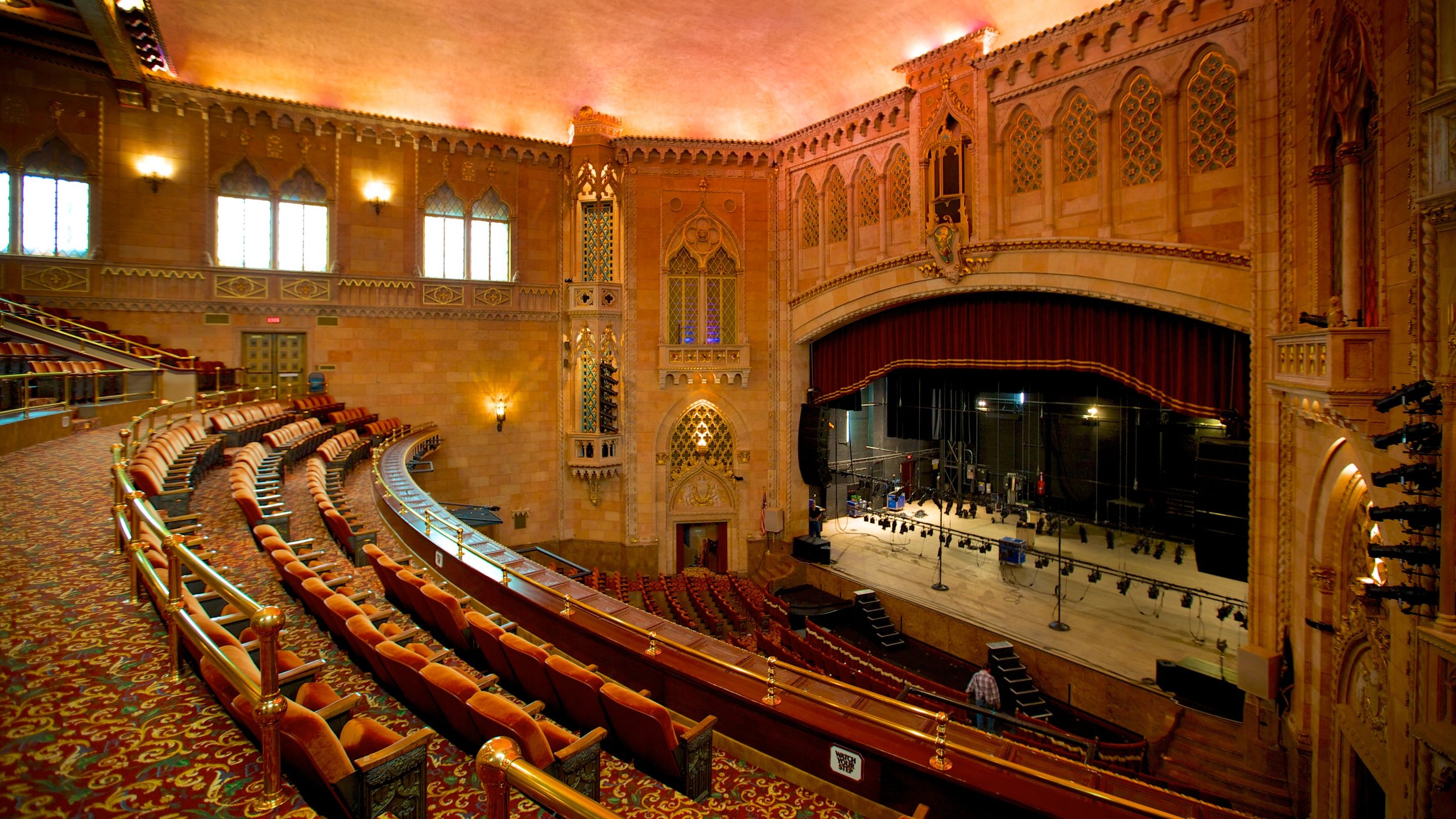
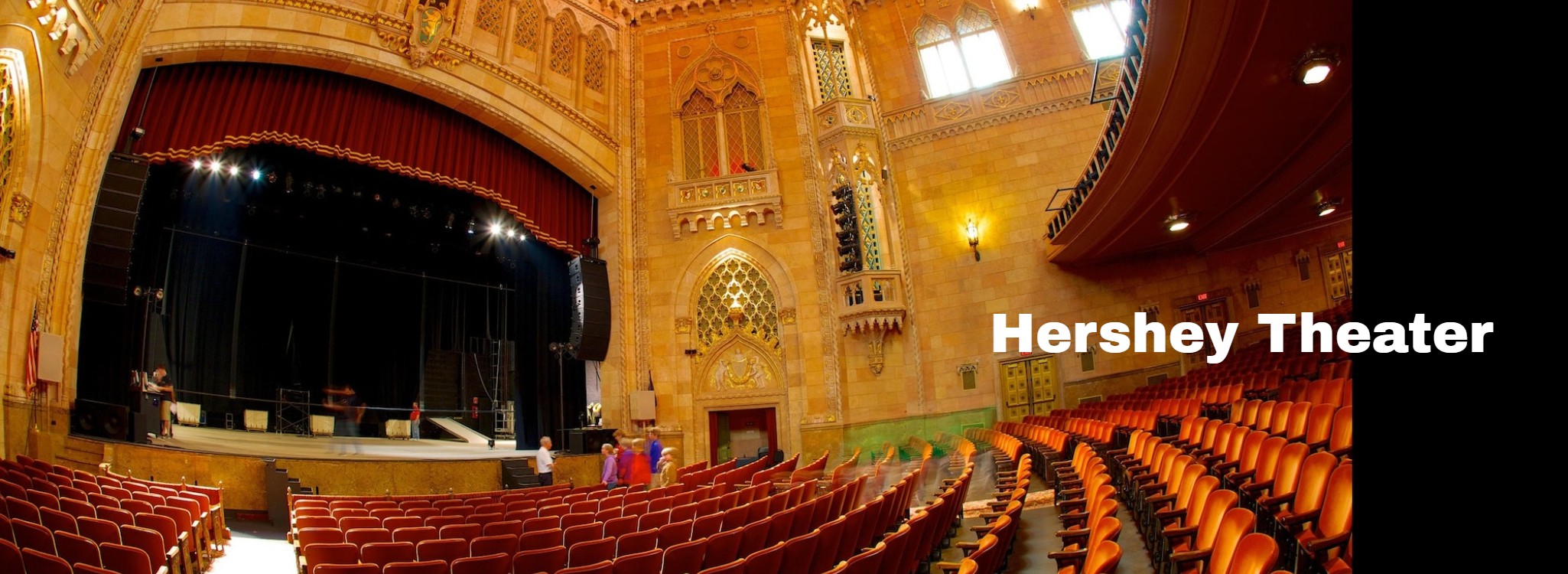
Hershey Theater — Touchless Restroom Reference
A historic entertainment setting used to discuss touchless faucet service and centralized soap-refill planning.



Las Vegas Ballpark | BIG and HNTB Concept
Proposed Las Vegas ballpark — architectural concept rendering credited to BIG and Negativ.

Grand Stade Hassan II | Architectural Design
Morocco — large public-venue architecture and multi-phase construction planning. Image source: Arquitectura Viva.
These references describe applications and selection rationale. Request project-specific specification records, purchase documentation or owner confirmation before presenting them as independently verified installation outcomes.
Commercial Fixture and Public-Venue Image Library
The image collection combines restroom concepts, site context and manufacturer-published system diagrams. Each image links to its direct source file where available. A project photo identifies its venue where supported; restroom visualizations and technical illustrations are labeled as contextual or conceptual rather than proof of a particular installed product.


Manchester United Stadium | Planning Concept
Manchester United proposed stadium — illustrative architectural concept, not a completed facility.
What an Approval-Ready Supplier Package Should Deliver
A Coherent Technical Package
Provide exact model and finish identifiers, specification sheets, applicable code and test documentation, drawings, installation instructions and product revision control. The AEC team should not have to infer dimensions or certifications from marketing photography.
A Credible Delivery Commitment
Document quantities, finish availability, lead-time assumptions, staged shipment rules and substitution procedures. Name the person or team responsible for resolving shortages and shipping discrepancies as the construction schedule changes.
A Supportable Ownership Plan
Include clear warranty terms, claim channels, spare-part identification, maintenance procedures and commissioning records. Owners should be able to operate and restore the fixture family without tracing undocumented equipment during a failure.
Procurement Recommendation
Compare commercial fixture suppliers on an evidence-weighted basis: compliance and fit for the intended application, service response, written warranty remedies, verified fulfillment capacity and long-term parts continuity. Approve a manufacturer only after the relevant product documents and project conditions have been reviewed—not solely because its catalog or price appears competitive.
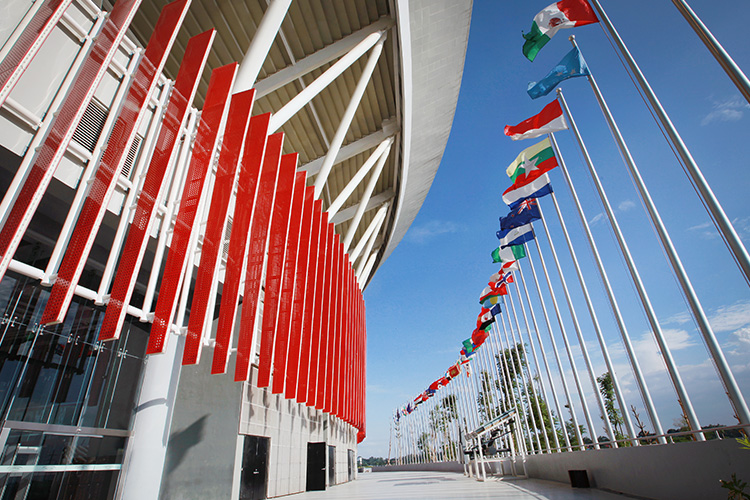
Philippine Arena | Facade and Arrival Planning
Architectural building envelope, arrival circulation and large-venue infrastructure context. Image source: Hanwha E&C.
Frequently Asked Questions
Why Do Procurement Teams Prefer Established Commercial Fixture Suppliers?
They need predictable documentation, product quality, delivery coordination and support. An established track record is helpful, but the decisive factor is whether the supplier can substantiate current availability, product compliance and service commitments for the exact project.
How Should a Contractor Compare Commercial Fixture Warranties?
Review the current written warranty for each quoted model and identify covered components, claim steps, exclusions, replacement timing and responsibility for labor and shipping. A longer term without a workable remedy may provide less practical protection.
Does a Touchless Faucet Automatically Qualify as an Accessible or WaterSense-Labeled Fixture?
No. Accessibility depends on the completed installed condition and applicable standards. EPA does not currently label public lavatory faucets through its private-lavatory WaterSense faucet specification. Verify product and project requirements separately.
Why Should Facility Managers Participate Before the Manufacturer Is Approved?
They can identify difficult service access, inconsistent spare parts, unsuitable power maintenance, finish-cleaning constraints and training needs while changes are still relatively inexpensive.