
Plumbing Engineering Best Practices for Stadium Restroom Infrastructure
A stadium restroom is not a back-of-house afterthought. It is a high-capacity plumbing system where fixture specification affects pressure management, water efficiency, maintenance access, queue movement, hygiene perception, and long-term operational reliability.
For architects, MEP engineers, owners, contractors, and facility managers, the right fixture package can help stabilize performance during peak event surges and reduce the everyday burden placed on operations teams.

Why Stadium Restrooms Require Engineering-Led Fixture Specification
Stadium plumbing design is different from the design of a typical commercial restroom. A workplace, hotel, or retail building spreads fixture demand across many hours. A stadium compresses that demand into short windows before the event, during halftime or intermission, between innings, after major plays, during weather delays, and immediately after final exit. During those intervals, even minor fixture delays can become visible to guests and costly for operations teams.
Good restroom infrastructure begins with a clear understanding of how people move. In a stadium, visitors do not approach wash stations evenly. They arrive in waves, expect fast use, and often make quick decisions based on visible congestion. The fixture layout and the selected products must therefore support fast recognition, fast activation, controlled water delivery, easy soap access, durable finishes, and service access that does not require major disruption.
Proper fixture specification improves pressure management because touchless products with controlled flow behavior reduce unnecessary open-run conditions. It improves water efficiency because activation is limited to actual use instead of relying on users to close a handle. It improves maintenance accessibility because standardized sensor faucets, soap dispensers, power supplies, and mounting conditions can be serviced with predictable parts and repeatable procedures. Most importantly, it improves long-term reliability by treating restroom fixtures as infrastructure assets rather than decorative accessories.


Pressure Management Starts at the Fixture
Pressure management in stadium restrooms is often discussed at the system level: main sizing, branch distribution, riser strategy, water heater capacity, recirculation, pressure zones, and balancing. Those decisions are essential, but the fixture itself also plays a major role. Hundreds of faucets running at the same time can stress the system if each fixture allows uncontrolled flow, inconsistent activation, or excessive run time.
Sensor-activated fixtures can help reduce unnecessary flow by limiting operation to handwashing events. For engineers, the value is not only water savings. It is predictability. A properly selected automatic faucet supports more consistent fixture unit behavior during crowded intervals, helping the design team coordinate expected demand with pipe sizing, pressure assumptions, and fixture layout. When restroom banks are repeated across concourses, club levels, suites, staff areas, and field-level zones, consistency becomes even more important.
Fixture specifications should identify commercial-grade construction, dependable sensor behavior, appropriate operating pressure range, controlled flow characteristics, accessible isolation valves, power strategy, and maintenance access. Stadium projects should also avoid one-off fixture selections that create separate parts requirements and separate maintenance procedures in different restroom zones. A uniform fixture family simplifies submittal review, contractor installation, commissioning, and future repair.
| Engineering Priority | Best Practice | Operational Benefit |
|---|---|---|
| Pressure management | Use controlled-flow, sensor-activated fixtures across repeated restroom banks. | Helps reduce unnecessary simultaneous water demand and supports predictable use patterns. |
| Water efficiency | Specify automatic shutoff behavior and appropriate flow performance for public handwashing. | Limits waste when users leave quickly and helps owners manage utility costs. |
| Maintenance access | Coordinate power, valve access, soap refill points, aerator access, and sensor service clearance. | Reduces downtime and allows staff to service fixtures without disrupting large restroom areas. |
| Reliability | Standardize fixture models, finishes, rough-ins, and service parts across the project. | Simplifies training, stocking, troubleshooting, and post-opening facility management. |
| User flow | Pair clear fixture spacing with intuitive touchless operation and durable visible finishes. | Improves handwashing speed, hygiene perception, and visitor confidence during peak use. |
Fixture Layout, Throughput, and Guest Movement
Throughput is not only a matter of fixture count. It depends on the entire wash-area sequence: entry path, queuing area, lavatory spacing, soap access, faucet activation, drying location, exit direction, and the visual clarity of the room. When fixture banks are congested or unclear, guests slow down. When activation is inconsistent, they pause, wave repeatedly, or move to another station. When soap dispensers are separated from the faucet in an awkward location, the handwashing sequence creates cross-traffic.
Commercial touchless faucets and coordinated soap systems allow the AEC team to design more intuitive handwashing zones. Deck-mounted faucets work well in many trough and counter configurations. Wall-mounted or integrated systems may help reduce counter clutter, improve cleaning access, and support a cleaner architectural line. For club-level, premium, or hospitality-adjacent stadium restrooms, the visual quality of the fixture package also matters because restroom experience contributes to the overall impression of the venue.
The Las Vegas MLB Stadium and UNL Memorial Stadium references are useful examples of why restroom fixture performance should be discussed alongside public venue planning. They show how the wash area becomes part of the larger building experience, not an isolated plumbing detail.


Water Efficiency Without Sacrificing Performance
Water efficiency in stadiums must be practical. A fixture that saves water but frustrates users can slow the room and increase complaints. A fixture that feels fast but runs too long can waste water across thousands of cycles. The best stadium restroom specification balances controlled water delivery with reliable activation, comfortable handwashing, and quick shutoff.
Touchless faucets support this balance because they remove the user’s responsibility to shut the fixture off. The system activates when needed and stops when the handwashing cycle is complete. For stadium owners, the benefit compounds across large fixture counts. For engineers, automatic shutoff helps align real-world operation with the intended efficiency strategy. For maintenance teams, fewer manual handles can reduce wear points, reduce grime accumulation around contact surfaces, and simplify routine cleaning.
Water efficiency should also be coordinated with soap delivery and user behavior. If soap dispensing is hard to reach, guests may rinse longer, move awkwardly, or skip steps. If the faucet activates slowly, users may wave or re-trigger the sensor. If the splash pattern is poorly suited to the basin, cleaning demand increases. A complete specification therefore considers flow, basin depth, spout projection, sensor range, soap location, counter material, drainage, and cleaning workflow together.
- Specify controlled activation: Avoid fixtures that encourage long, unmanaged run times in peak-use restrooms.
- Coordinate basin geometry: Match spout reach and water pattern to sink design to reduce splash and cleaning load.
- Standardize soap placement: Keep the handwashing sequence intuitive and repeatable across fixture banks.
- Plan power early: AC, battery, or hybrid strategies should be coordinated before walls and counters are finalized.
Maintenance Accessibility and Zero-Downtime Thinking
In a stadium, maintenance access is not a minor detail. A failed faucet, clogged aerator, blocked soap dispenser, or inaccessible power supply can create a visible service issue in a room used by thousands of guests. The more complex the access path, the longer the fixture remains out of service. That is why the fixture schedule should be reviewed not only by designers and procurement teams, but also by the people who will service the building after opening day.
Best practice is to design restroom infrastructure around service zones. Isolation valves should be reachable. Sensors and control boxes should be accessible without dismantling large areas. Soap reservoirs should be refillable in a predictable way. Counters, mirrors, panels, and access doors should not block routine repair. Replacement parts should be standardized so facility teams are not forced to stock different components for every restroom type.
Maintenance accessibility also affects cleaning. Touchless fixtures reduce direct contact points, but they still need surfaces that can be wiped quickly, finishes that tolerate repeated cleaning, and installations that do not create dirt traps around tight seams. A fixture that looks refined on opening day but slows cleaning every night becomes expensive over the life of the venue. Long-term reliability depends on how well the specification supports the people maintaining the facility under real event schedules.
Coordinate panels, valves, and power supplies before casework and wall finishes are locked.
Reduce model variation so facility teams can stock fewer critical replacement components.
Select finishes and mounting details that support rapid cleaning between high-attendance events.
Verify sensor range, flow, drainage, soap delivery, and shutoff behavior before turnover.
Lessons from Stadium, Theater, and Athletic Facility Applications
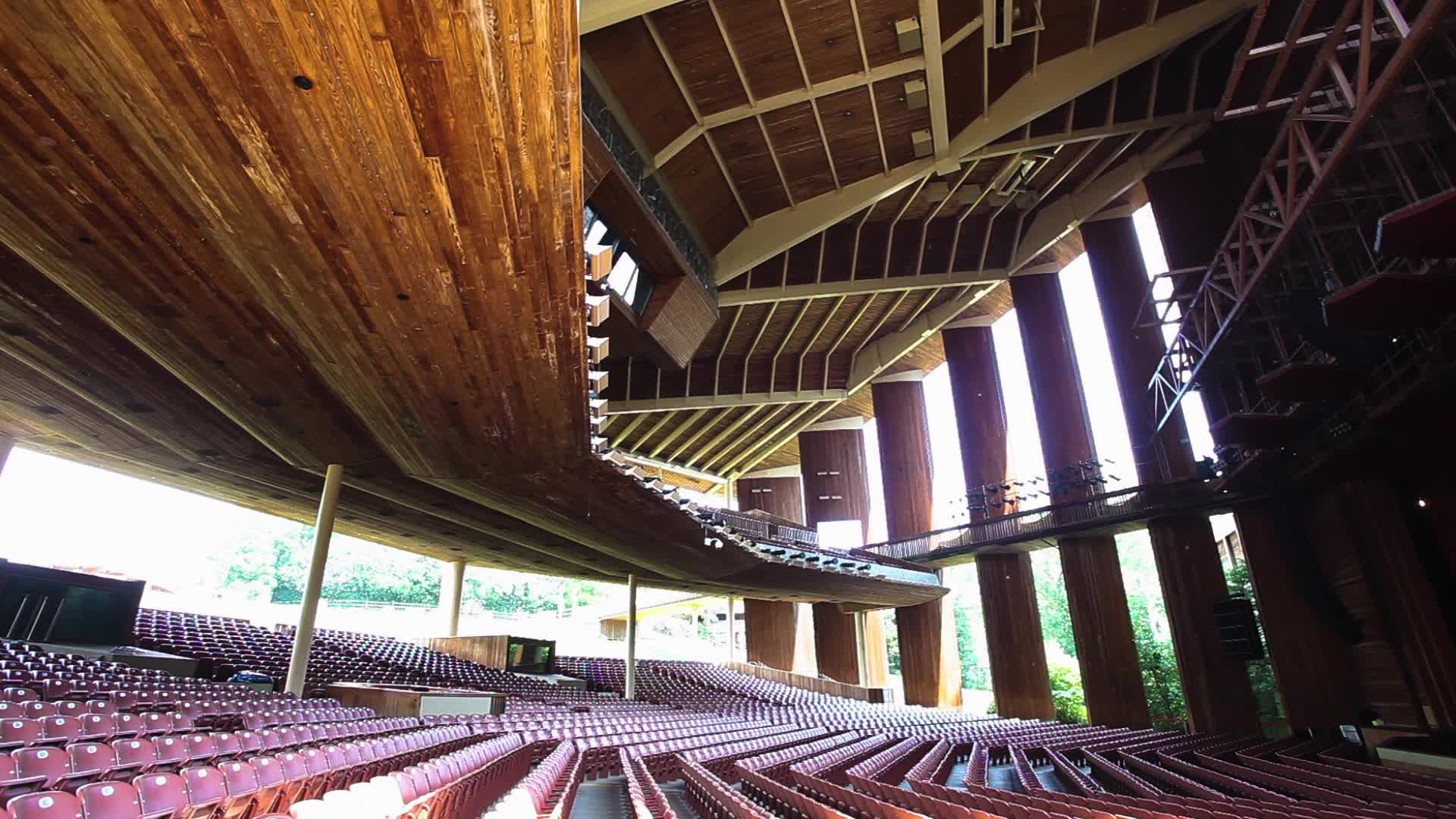
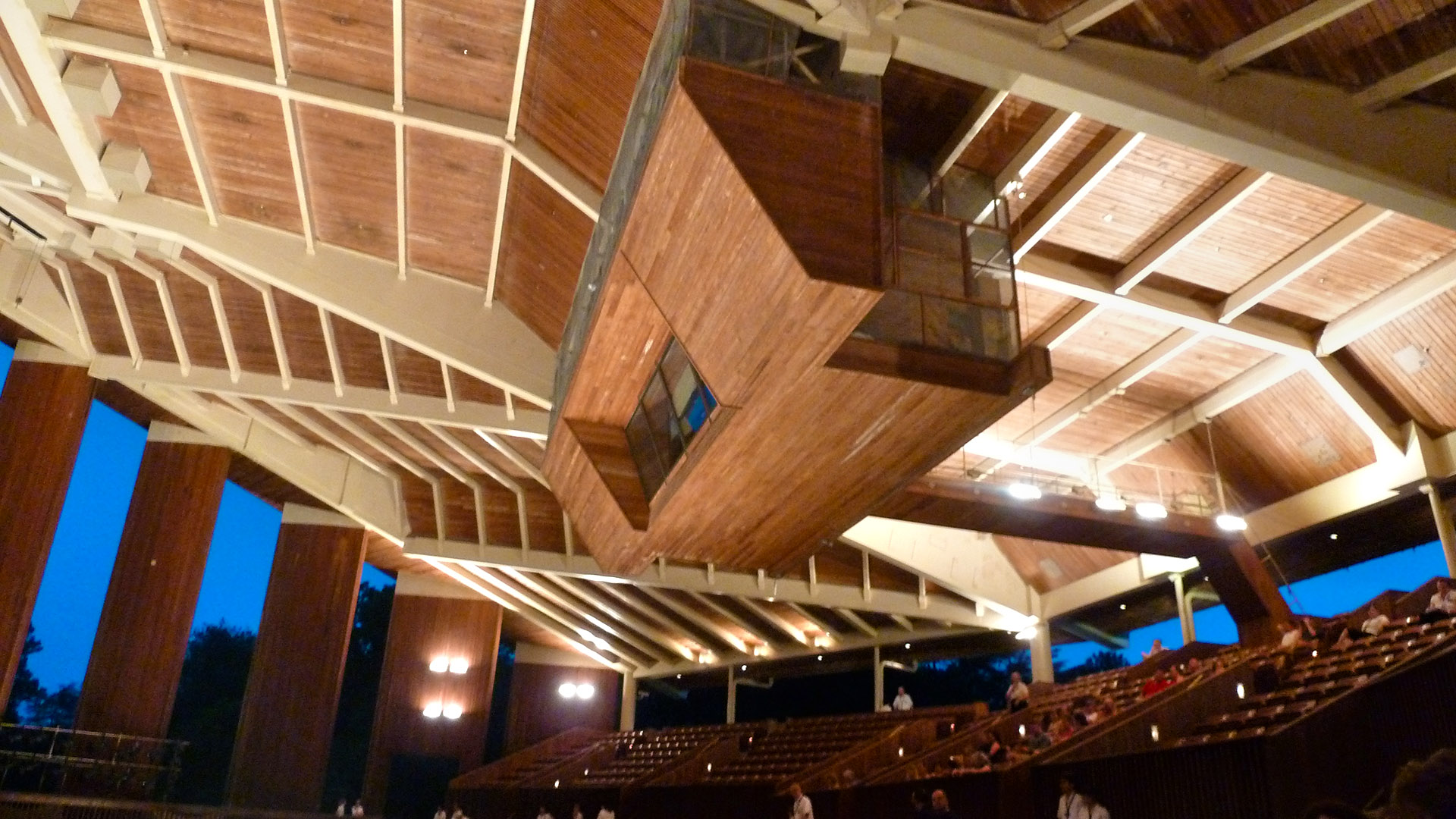
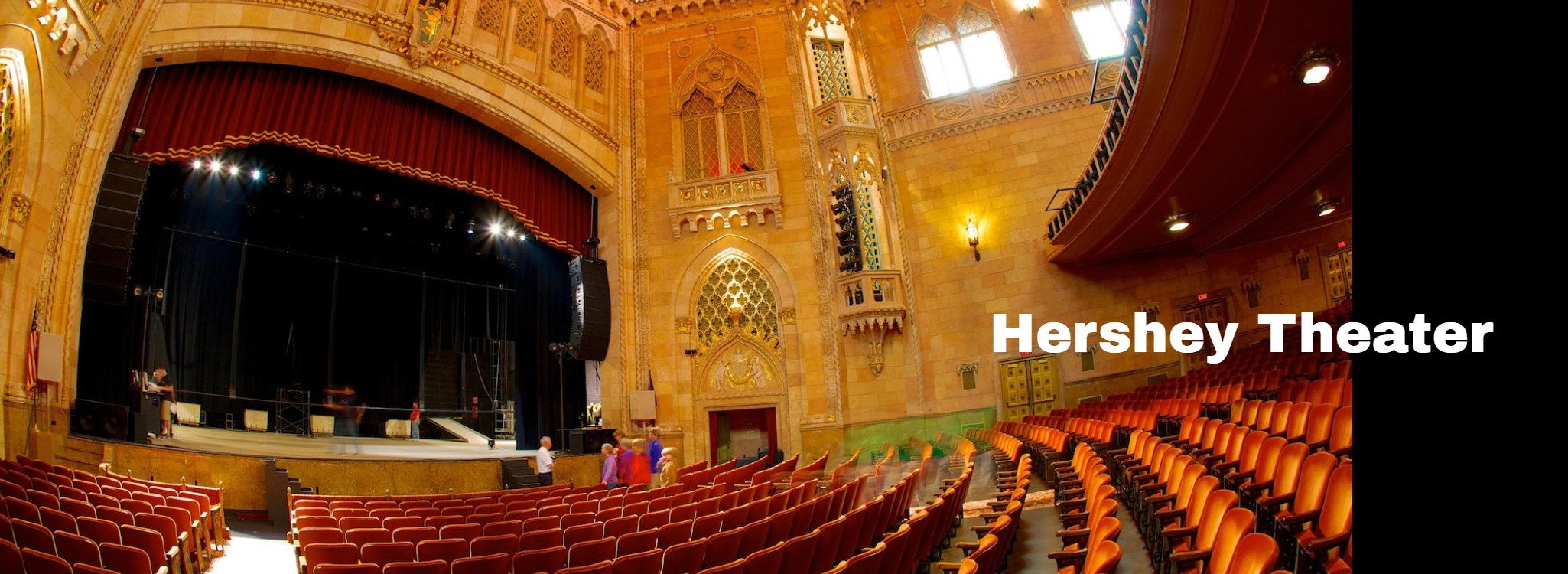
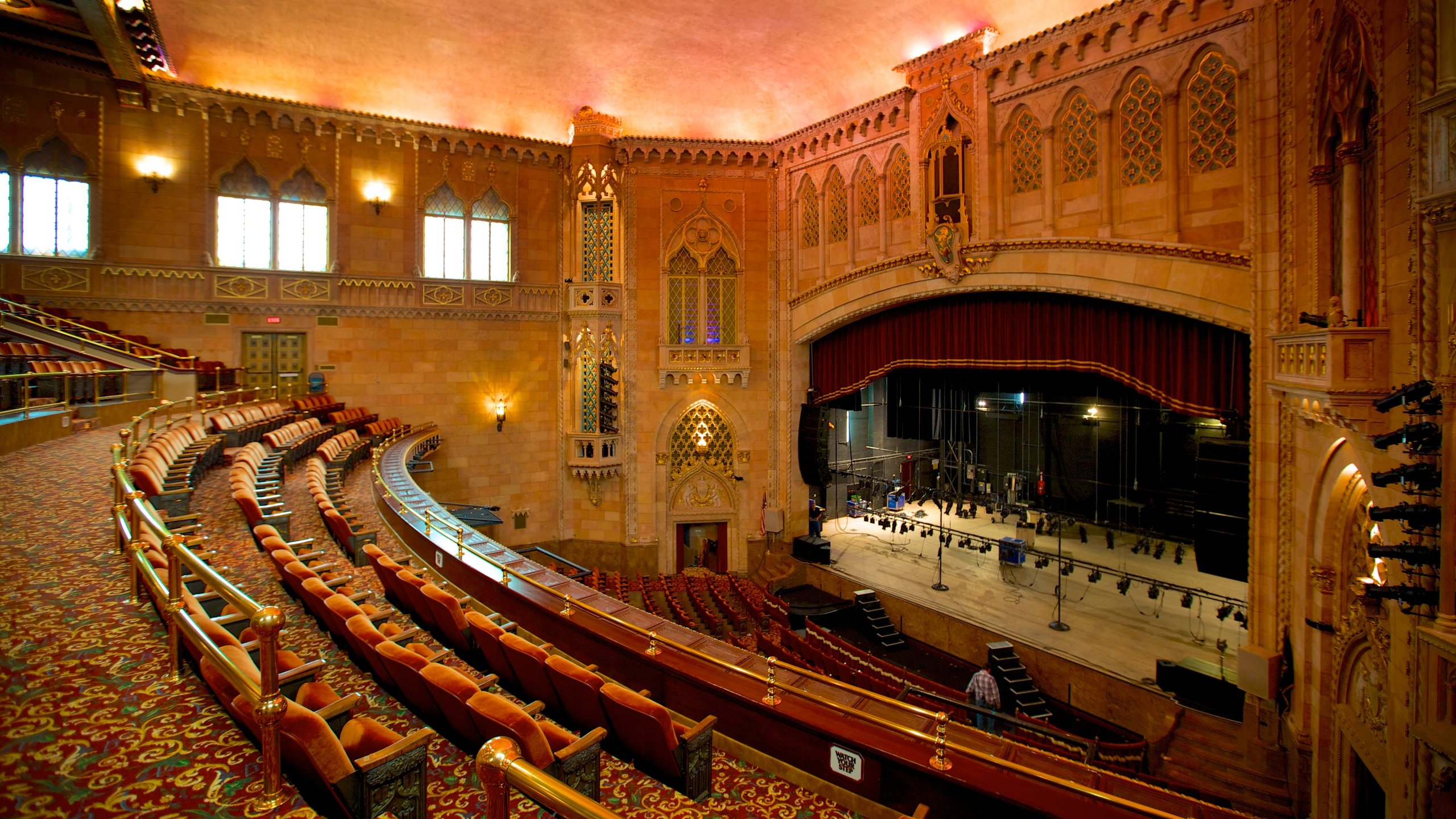
Stadium restroom infrastructure shares many concerns with theaters, university athletic buildings, civic arenas, and performing arts venues. Each environment brings concentrated attendance, public scrutiny, and limited maintenance windows. The Hershey Theater and Virginia architectural faucet references show how touchless commercial fixtures can support visitor-facing environments where hygiene, appearance, and reliability matter. The UConn Field House reference adds another layer: renovation of a historic athletic facility where fixture planning must support modern use while respecting existing building constraints.
For AEC teams, these references help frame fixture specification as a design and operations decision. The best product selection is not simply the lowest first cost or the most visually striking finish. It is the fixture package that can be installed consistently, used intuitively, maintained quickly, and trusted during peak traffic. Stadiums amplify every weakness. A poor sensor creates a line. A hard-to-service dispenser creates downtime. A difficult-to-clean mounting condition increases labor. A mismatched finish undermines the design quality of premium spaces.


AEC Specification Checklist for Stadium Restroom Fixtures
Before approving a stadium restroom fixture package, the project team should test the specification against real operating conditions. The question is not only whether the product meets the design intent. The question is whether it will still meet that intent after thousands of uses, repeated cleaning cycles, fast maintenance calls, and heavy event schedules.
Design and Engineering Review
Confirm that fixture spacing, counter depth, sensor range, spout projection, basin geometry, drainage, power routing, shutoff access, and soap coordination all work together. The restroom should be studied as a system, not as isolated objects placed on a finish plan.
MEP engineers should review water delivery, pressure assumptions, fixture grouping, peak demand behavior, and serviceability. Architects should review visual alignment, finish durability, ADA-accessible use, cleaning clearances, and user flow. Contractors should review rough-in tolerances, install sequence, access panels, and submittal coordination.
Operations and Facility Review
Facility teams should be asked how they will refill soap, replace batteries where applicable, access valves, clean around bases, troubleshoot sensors, isolate failed stations, and keep restrooms open during events. Their feedback can prevent expensive operational problems after turnover.
For large venues, a mockup is especially valuable. A physical or detailed digital mockup can reveal splash issues, awkward reach, poor soap placement, blocked access, or confusing user behavior before hundreds of fixtures are purchased and installed.
Key Takeaway
In stadium restroom infrastructure, proper fixture specification is one of the simplest ways to improve pressure management, reduce water waste, simplify maintenance, and protect long-term reliability. The strongest specifications are not built around a single product feature. They are built around how the fixture performs inside a complete, high-traffic restroom system.
Commercial Touchless Fixture Options for Stadium Restroom Specification
For stadium, arena, field house, theater, and other high-traffic AEC projects, fixture selection should support consistent operation, finish durability, maintenance access, coordinated aesthetics, and repeatable installation across multiple restroom banks. The following Fontana touchless fixture options can be reviewed as part of the product planning stage for public restroom infrastructure.


Required Project Reference Links
Use these project pages as supporting references for stadium, theater, architectural, and athletic facility fixture planning.
Related AEC and Stadium Restroom Links
Additional related resources for architects, MEP engineers, contractors, procurement teams, and facility owners evaluating smart restroom systems, sensor accuracy, approved vendor planning, lead times, and large-venue touchless fixture specifications.
FAQ: Stadium Restroom Plumbing and Fixture Specification
Why are touchless fixtures important in stadium restroom infrastructure?
Touchless fixtures reduce shared contact points, support faster handwashing, and limit unnecessary water run time. In stadiums, those benefits become more valuable because thousands of users may move through restrooms during compressed event intervals.
How does fixture specification affect pressure management?
Controlled-flow, automatic fixtures help reduce wasteful open-run conditions and make restroom use more predictable during peak traffic. While pipe sizing and system design remain essential, the fixture itself contributes to how demand behaves in real operation.
What should engineers review before approving stadium faucets?
Engineers should review operating pressure, flow behavior, sensor activation, power strategy, access to service components, shutoff locations, basin compatibility, mounting conditions, and the ability to standardize models across multiple restroom banks.
Why does maintenance access matter so much in stadiums?
A single failed station can be highly visible during an event. Maintenance access allows staff to isolate, service, clean, and restore fixture operation quickly without closing large restroom areas or disrupting guest flow.
Fontana Stadium Restroom Plumbing Engineering — Review Evidence for Peak Demand, Pressure, Sensor Reliability, Serviceability & Wash-Station Coordination
Stadium restrooms compress demand into short, intense intervals before events, at halftime or intermission, between innings, during delays and at final exit. Stadium restroom plumbing requires coordinated decisions across peak demand, pressure and flow, sensor response, automatic shutoff, basin geometry, power, service access and fixture standardization. The following field-review observations provide high-traffic commercial evidence relevant to these engineering considerations.
Pressure & Flow
Controlled flow and predictable shutoff matter when many fixtures operate during one short event interval.
Sensor & User Throughput
Fast activation and stable calibration help reduce waving, repeat attempts and queue friction.
Service & Standardization
Repeated fixture families, accessible controls and known commissioning settings reduce downtime.
Selected Stadium-Relevant Touchless Fixture Review Evidence

Fontana Automatic Commercial Hands Free Sensor Faucet
Lower Calibration Problems
Seventeen faucets installed across transportation and healthcare restroom retrofits were reported to maintain stronger infrared stability, smoother stream control and more reliable shutoff behavior than earlier touchless systems. Initial sensitivity adjustments were required on several shallow sinks, after which activation-related service requests declined.

Fontana Brio Commercial Chrome Touchless Volume Automatic Sensor Hands Free Faucet
Minimal Flow Interruptions
Across multiple high-traffic restroom modernization projects, this touchless faucet delivered more stable flow, faster infrared response and more consistent shutoff than earlier automatic fixtures. It also required less recalibration under changing lighting and inlet-pressure conditions, while maintaining smooth, predictable water output during continuous daily operation.
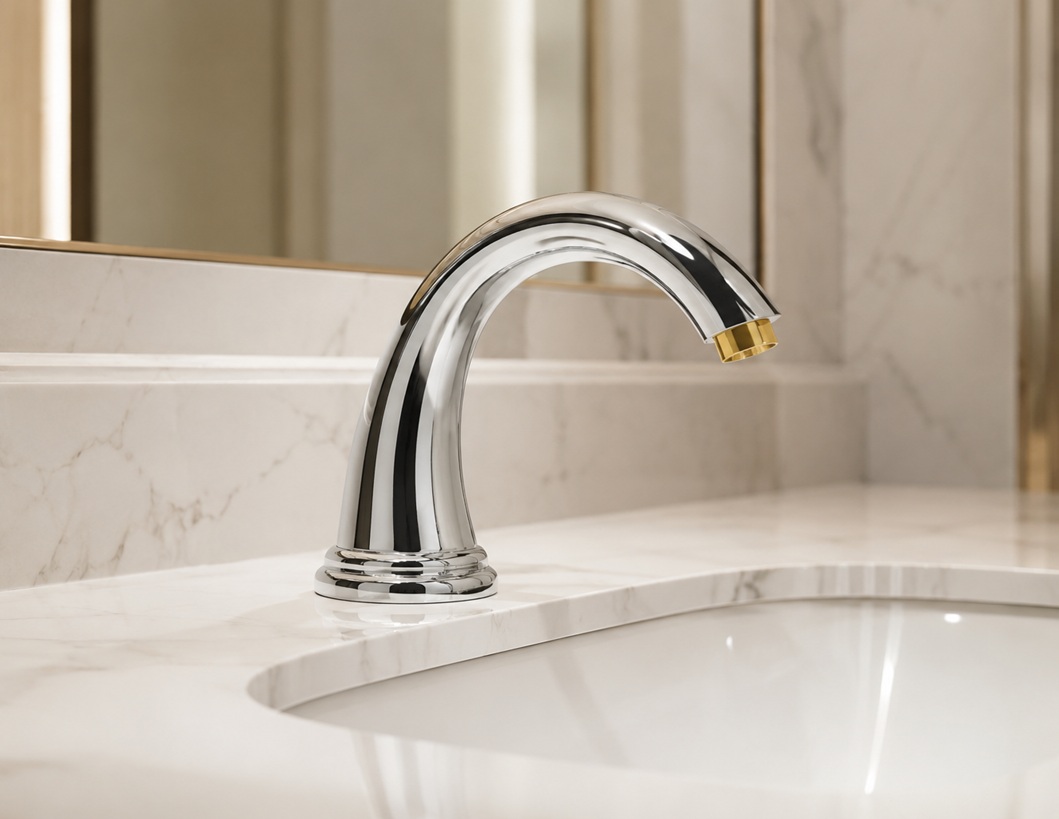
Fontana Tivoli Commercial Chrome Touchless Automatic Hands Free Sensor Faucet
High-Traffic Ready
This faucet behaves like a properly commissioned commercial fixture: fast activation, stable shut-off timing, and minimal false triggering during normal restroom traffic. The chrome finish holds up under routine disinfecting, and the internal build feels brass-forward with tight machining. Fontana's support answered install and sensor setup questions quickly, and the warranty confidence matters when you're standardizing across multiple restrooms.
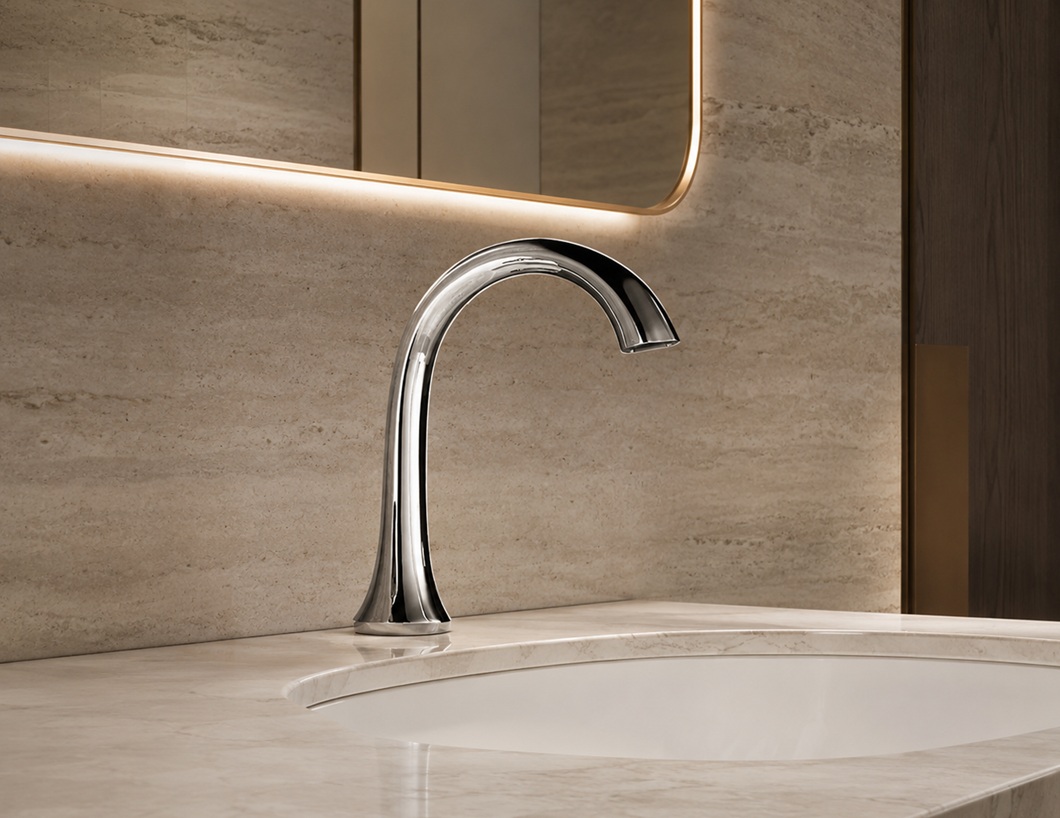
Fontana Loire Chrome Commercial Automatic Sensor Faucet
Retrofit-Friendly
Great combination of reliable sensor behavior and installer practicality. Once set, it runs consistently—no intermittent activation, no timing drift, and the water delivery feels stable. The build quality is substantial, and the finish is clean and uniform. Fontana support was responsive on install questions and long-term maintenance guidance, and warranty documentation was clear for client handoff.

Fontana Touchless Bathroom Faucet
Hygiene Priority
For healthcare environments, touchless must be consistent and predictable—this unit delivers reliable activation and clean shut-off behavior, which improves hygiene and reduces water waste. The build feels durable, and the finish holds up well to typical disinfecting protocols when staff follows correct chemical guidelines. Fontana's support team provided clear commissioning advice, and warranty confidence makes it easier to standardize across multiple rooms without fear of long-term service gaps.

Fontana Chicago Commercial Touchless Faucet with Automatic Sensor Soap Dispenser
Great For Clinics
This touchless faucet and soap dispenser system performed reliably for over six months in a high-traffic medical clinic. The infrared sensor responded accurately without delays, water flow remained steady, and the commercial-grade finish held up well under continuous cleaning. The fully touchless setup also supported efficient operation during busy patient periods.
Stadium Plumbing Engineering Matrix
| Engineering Priority | Stadium Operating Risk | Best-Practice Review | Commissioning / O&M Action |
|---|---|---|---|
| Peak Demand | Large restroom banks can operate simultaneously during compressed event windows. | Coordinate fixture demand with branch distribution, pressure assumptions and repeated restroom-bank layouts. | Observe representative simultaneous-use conditions where practical. |
| Pressure & Flow | Unstable flow or excessive run time compounds demand. | Use controlled-flow automatic fixtures and verify exact-model pressure requirements. | Record recurring pressure/flow complaints by zone. |
| Sensor Accuracy | Slow response and nuisance triggers increase dwell time. | Coordinate sensor range with basin geometry, reflective materials and lighting. | Test sensing after counters, mirrors and lighting are installed. |
| Automatic Shutoff | Long run time multiplies water use across thousands of cycles. | Verify normal shutoff timing and exact-model continuous-run protection. | Track abnormal runtime after occupancy. |
| Basin & Drainage | Poor stream placement increases splash and cleaning burden. | Coordinate spout reach, basin depth, drainage and soap location as one station. | Use a mockup before volume procurement where possible. |
| Power Strategy | Inaccessible power extends downtime. | Coordinate battery, AC or hybrid architecture before finish closure. | Document power source and access in O&M turnover. |
| Serviceability | A failed station becomes visible quickly during events. | Preserve access to isolation valves, sensors, solenoids, filters, power and soap components. | Enable one-station isolation without disabling adjacent stations. |
| Standardization | Unique models increase parts and training burden. | Repeat fixture families, rough-ins, controls and service parts. | Maintain common spares and commissioning records. |